
Loading
Warhawk Division is a gaming community. This is a unit document, not a government or military publication.Warhawk Division is an independent gaming community, for entertainment purposes only. It is not affiliated with, sponsored by, or endorsed by Bohemia Interactive, the United States Department of Defense, or any military organization. Arma Reforger is a trademark of its respective owner. Printed from warhawkdivision.com.
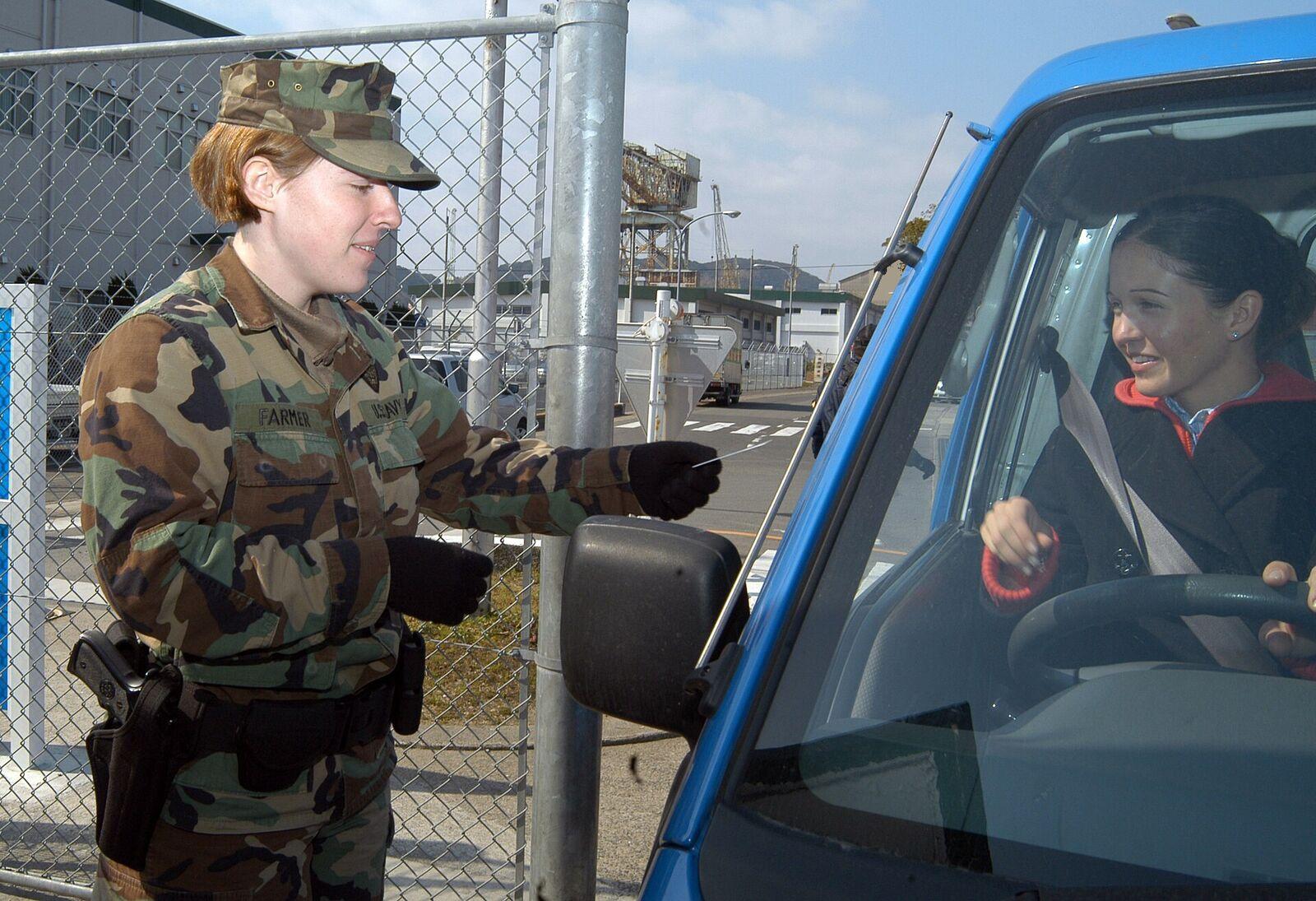
"Your connection isn't private" and codes such as NET::ERR_CERT_DATE_INVALID mean your browser could not confirm a website's identity. Here is what each code points to, the safe things to check in order, and why you should not sign in or pay until the warning is gone.
7 min read
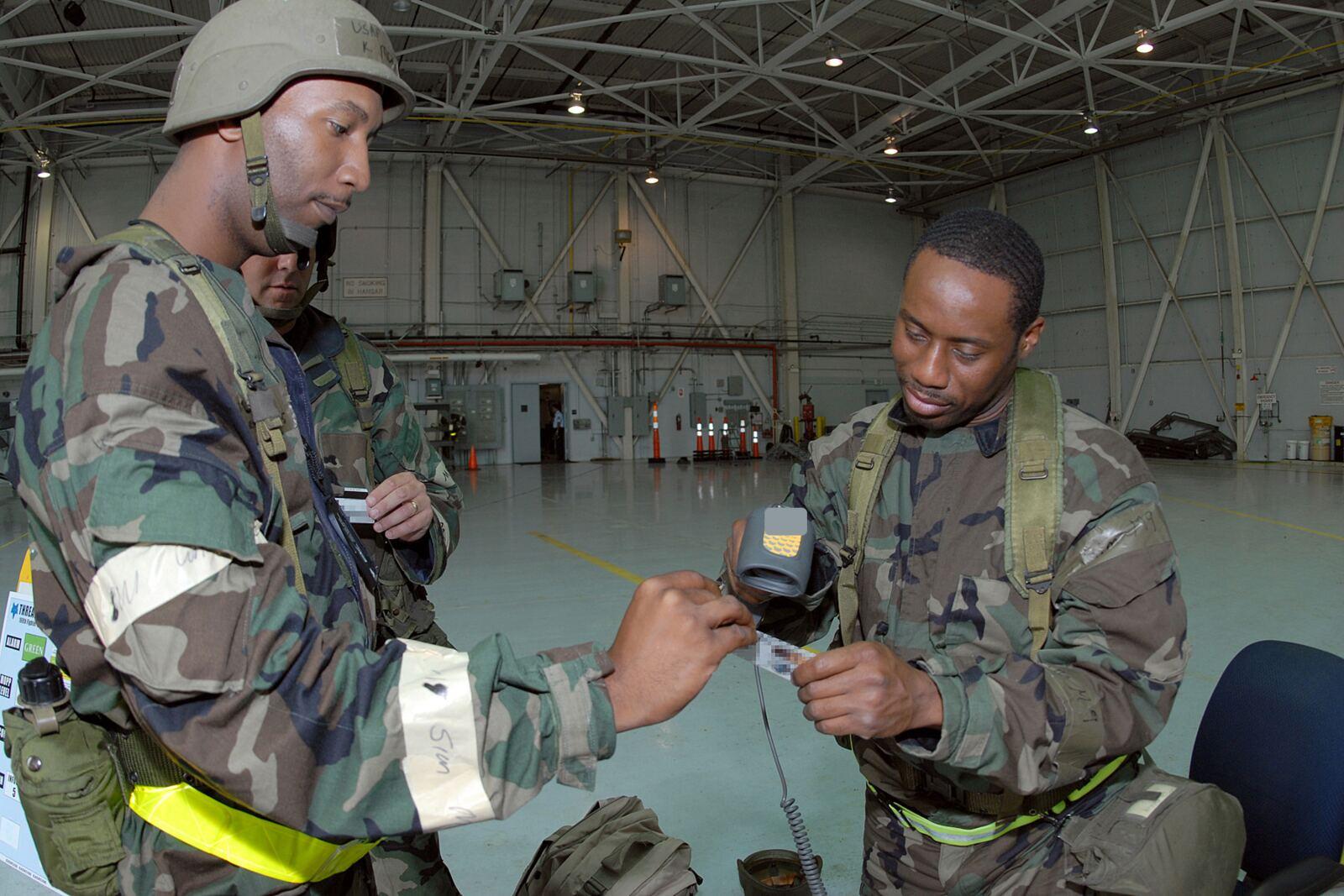
"Windows protected your PC" is a Microsoft Defender SmartScreen warning about a downloaded app that Windows does not recognize. It is not proof the app is harmful, but Microsoft treats an unknown app as a higher risk. Here is how to decide what to do next.
7 min read

A pop-up that says "Windows Defender Security Warning" and gives a phone number to call is a scam run from a web page. It did not come from Microsoft or from Windows. Do not call. Close the browser, and here is what to do if you already called or paid.
7 min read
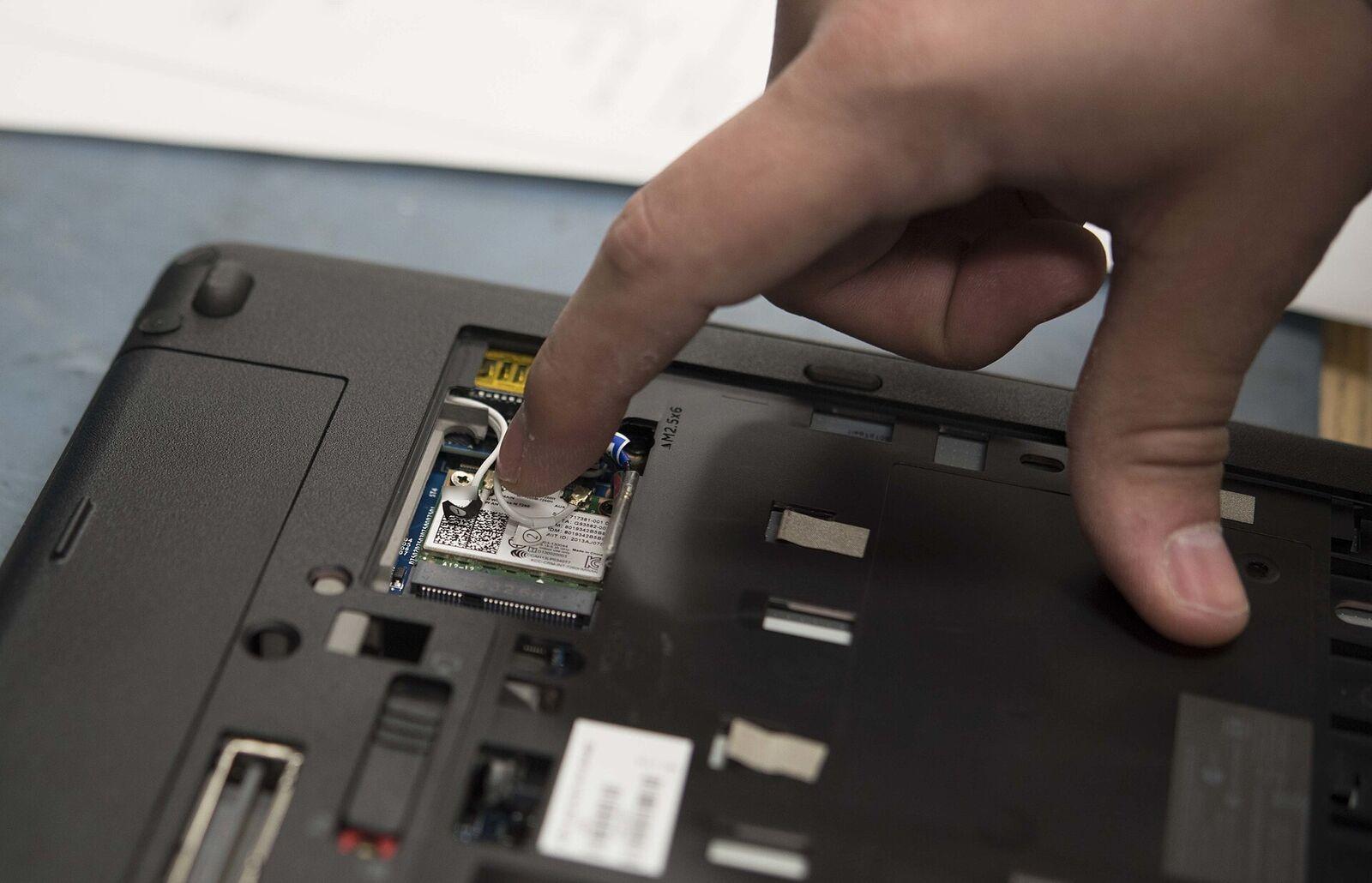
"Enter the recovery key for this drive" means BitLocker could not unlock your encrypted drive by itself and wants a 48-digit key. Here is why the screen appears, the places Microsoft says the key may be kept, and what a reset costs you if it cannot be found.
7 min read
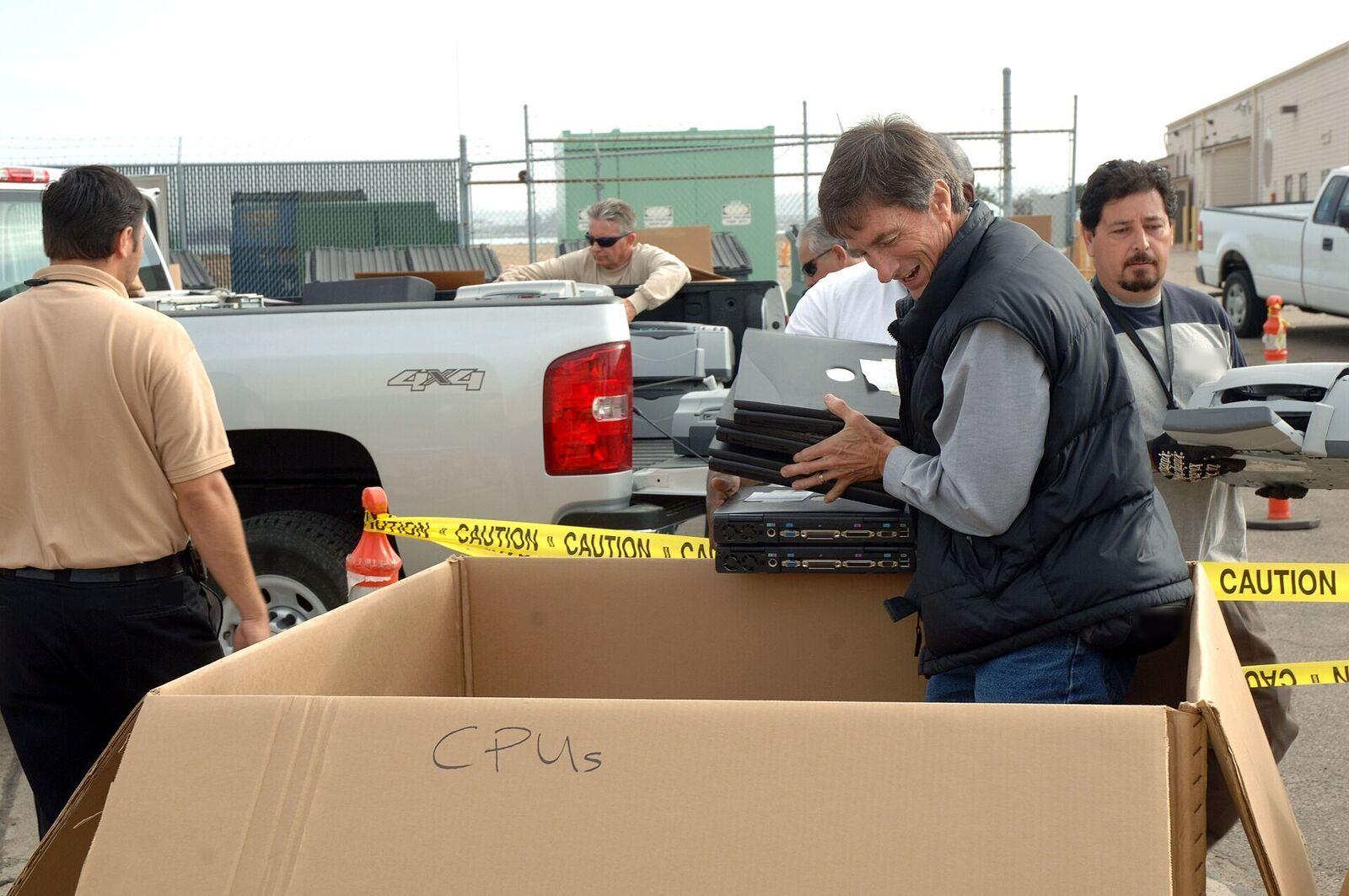
Deleting a file removes its name, not its contents. Here is why, how encryption turns a factory reset into a real erase, the reset steps Apple, Google and Microsoft publish, why solid-state drives need different handling, and what NIST means by clear, purge and destroy.
11 min read

Which schemes take the most money from people over 60, by the FBI's and the FTC's own counts, and three tools that put a second set of eyes on the accounts: alerts, a trusted contact and a power of attorney. Plus how to raise the subject and where to report.
11 min read

Seven settings do most of the work of securing a home computer: updates, a standard account, disk encryption, the firewall and malware protection, a screen lock, an extension review and backups. Here is where Microsoft and Apple say each one lives, and what it protects.
12 min read
Facts only
Fake tracking texts, packages you never ordered, lookalike stores and gift card demands, as the FTC, the Postal Inspection Service, CISA and the FBI's complaint center describe them, with the official steps to take if you already clicked or paid. Facts only, as of 15 November 2026.
10 min read
A data broker sells information about you that you never gave it. Here is what the FTC and the state registries say brokers hold, how California's free deletion platform works as of November 2026, how to opt out by hand anywhere, and what removal does not fix.
12 min read
A cyber policy has two halves: your own costs after an incident, and claims other people bring against you. What regulators and federal agencies say each half typically covers, what is commonly excluded, what applications ask about, and the NAIC's 2025 numbers. A description, not buying advice.
10 min read

What a credit freeze blocks and what it lets through, how it differs from a fraud alert and a paid lock, how to place one at Equifax, Experian and TransUnion, how to freeze a child's file, what the IRS Identity Protection PIN adds, and the FTC's recovery steps if your identity is used.
12 min read
Facts only
On 12 November 2026 the FTC warned that scammers copy its own website. Real FTC sites end in .gov. Separately, the agency is asking the public, until 30 November, whether online platforms should have to screen ads that impersonate businesses and government. Facts only, from the FTC's pages.
10 min read

Facts only
On 2 November 2026 NIST published a free, plain-language cybersecurity guide for businesses with no employees other than the owner. Here is who it is for, the actions it lists first, how it is laid out, and what it says it does not cover.
8 min read
Facts only
OpenSSH shipped an urgent release on 5 November 2026 for a password login bypass on some Linux systems, and CISA lists it as exploited. Here is what the project, Alpine Linux and the CVE record say, who is affected, and what they tell you to do.
8 min read

Microsoft fixed an Outlook flaw on 10 November 2026 and says it was exploited before the fix. Open the wrong file and Outlook can quietly hand over a piece of your login. Here is what the advisory says, what it does not say, and what to do.
6 min read

WordPress 7.1.4, released on 28 October 2026, fixed a flaw that could let an attacker run code on a server in the short window while WordPress upgrades itself. On 3 November CISA said it is being exploited. Here is how it works, which versions are fixed, and what site owners should do.
5 min read
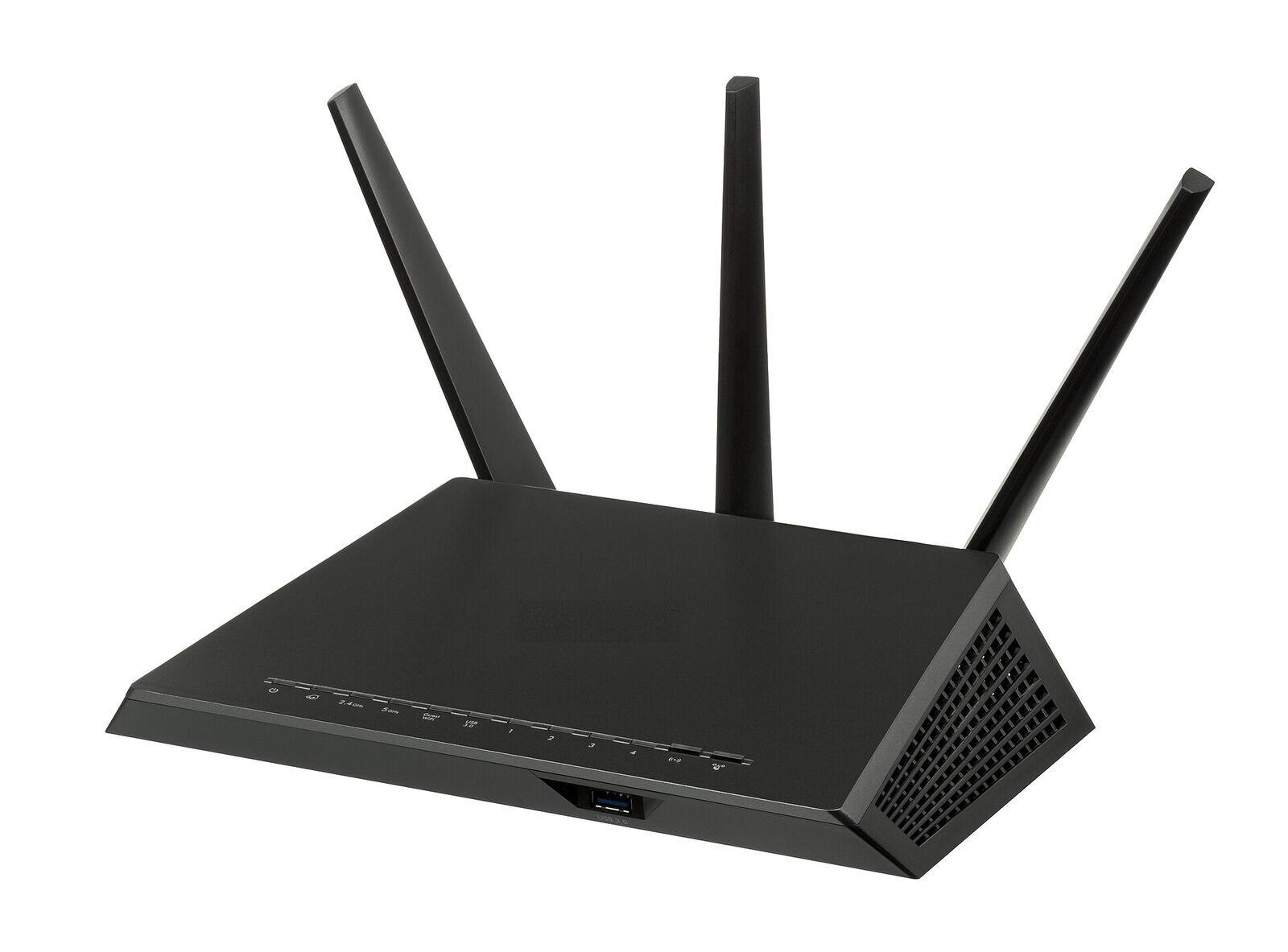
Your router has dozens of settings and six of them do most of the protecting: the admin password, updates, the encryption type, WPS, a guest network and remote administration. What each one does and what to set it to.
8 min read
Both sides
Australia set a minimum age of 16 for social media and Britain plans to follow. The best case for a minimum age, the best case against, how age checks work and what they cost in privacy, and what Australia's first numbers show. No side taken.
11 min read
Linux runs phones, routers, game servers and the Steam Deck, yet it is hard to say what it is. What a kernel and a distribution are, where Linux came from, and three safe ways to try it tonight.
8 min read
Both sides
Some governments ban their own agencies from paying ransomware crews, and some want the ban to reach hospitals and private firms. The best case for a ban, the best case against, what the evidence shows, and what it cannot settle.
11 min read
Both sides
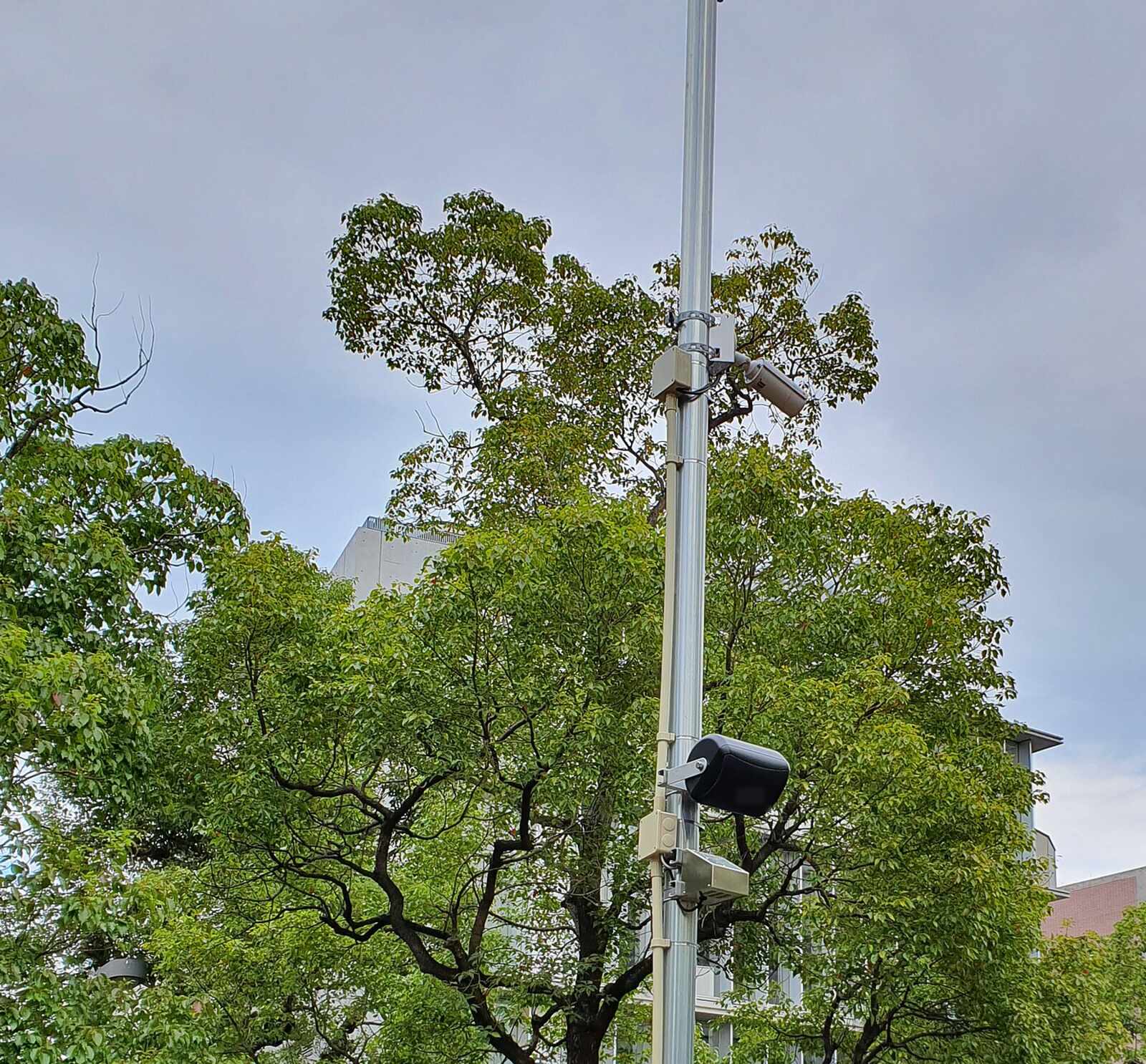
Cameras that read plates and software that matches faces are now everyday police tools. Here is how each works, the best case for using them, the best case for tight limits, what courts and studies say as of 12 November 2026, and what stays a judgment call.
11 min read
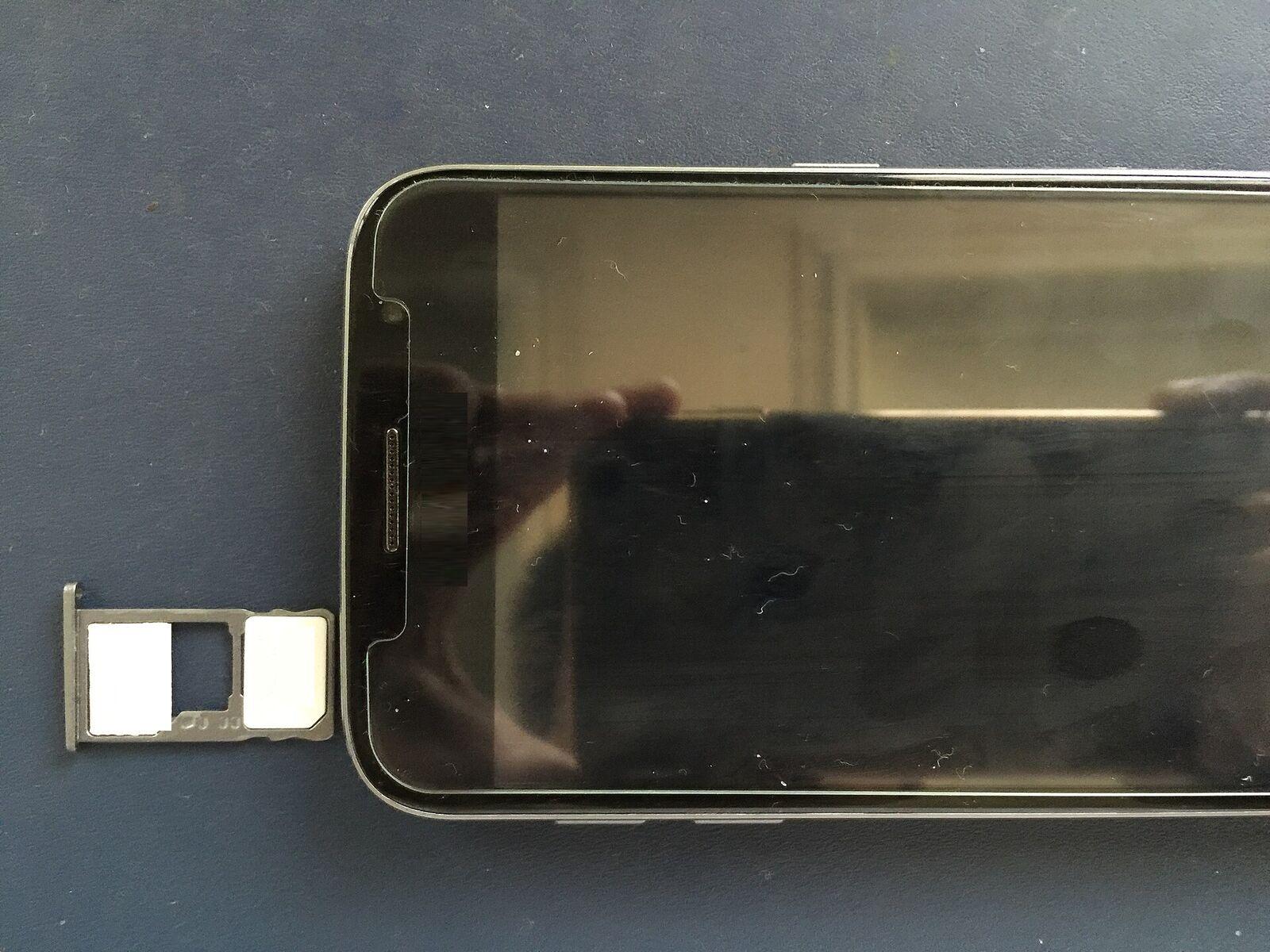
A thief who talks your carrier into moving your phone number starts receiving your login codes. What a SIM swap and a port-out are, how a carrier PIN and number lock stop them, and how to move your key accounts off text message codes.
8 min read
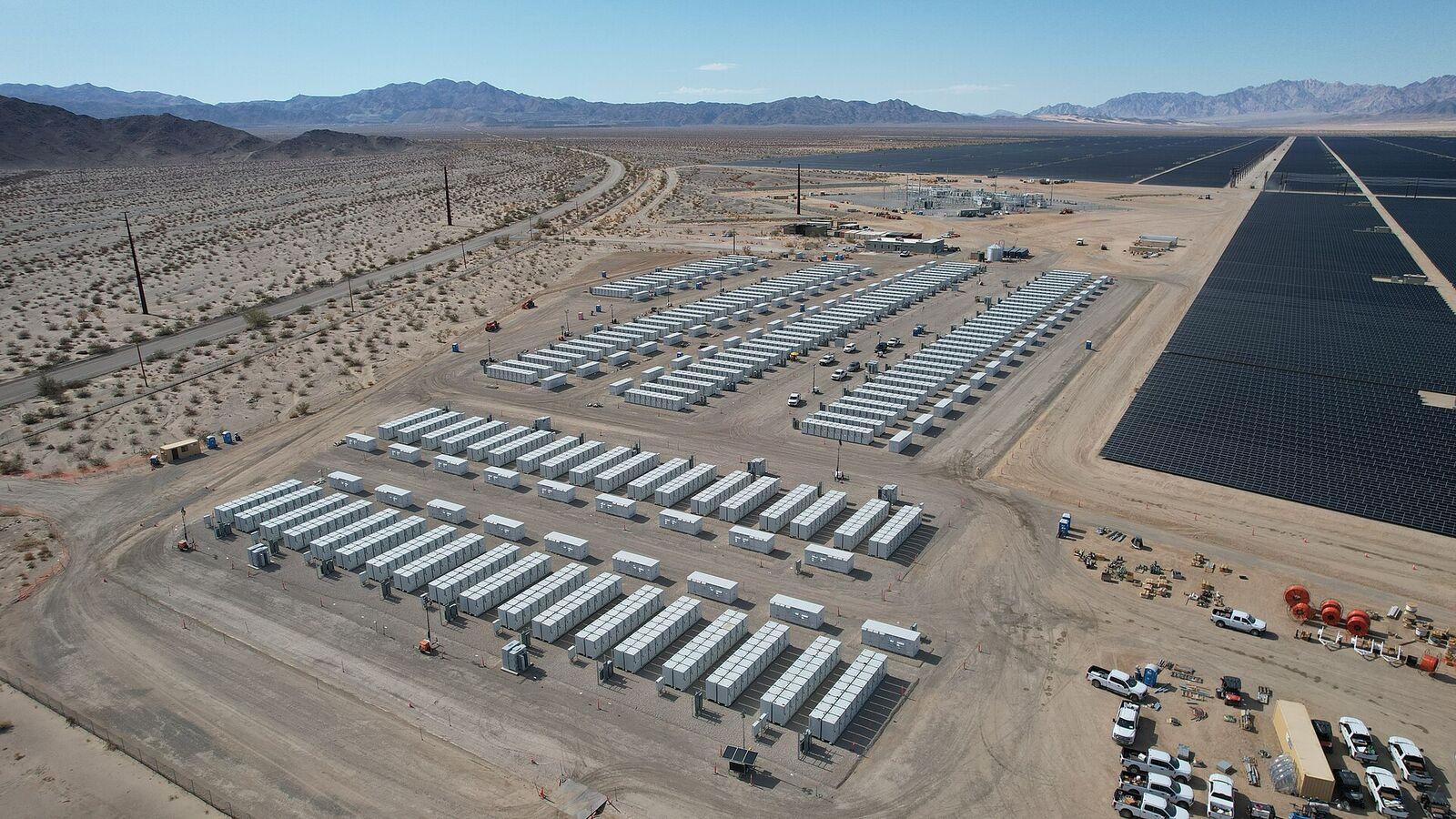
What critical infrastructure is, and the technologies now being added to it: smart meters, rooftop solar and inverters, grid batteries, digital substations, private 5G, digital twins, AI, drones and more. What each one does, the new risk it brings, and what a resident can ask.
10 min read
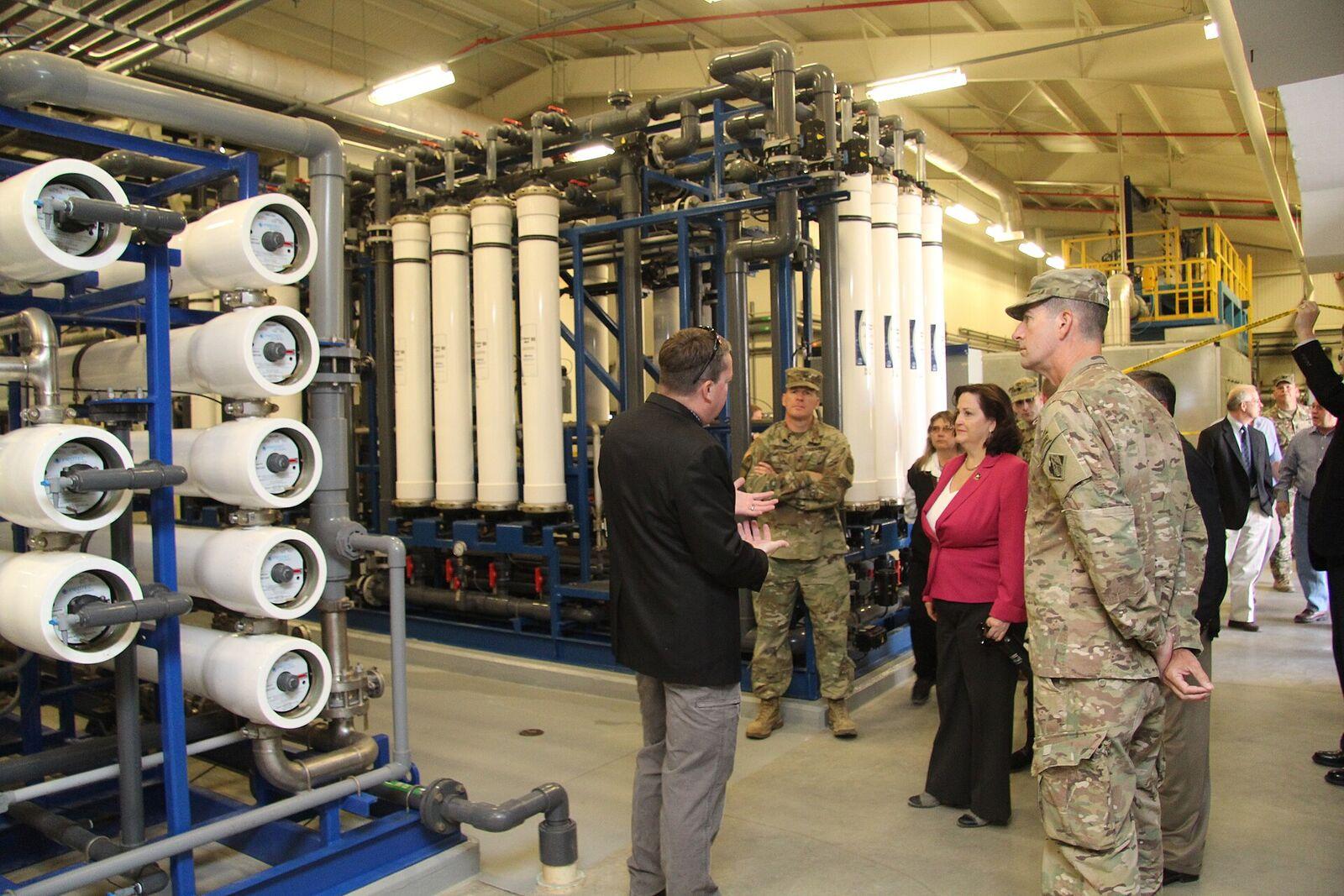
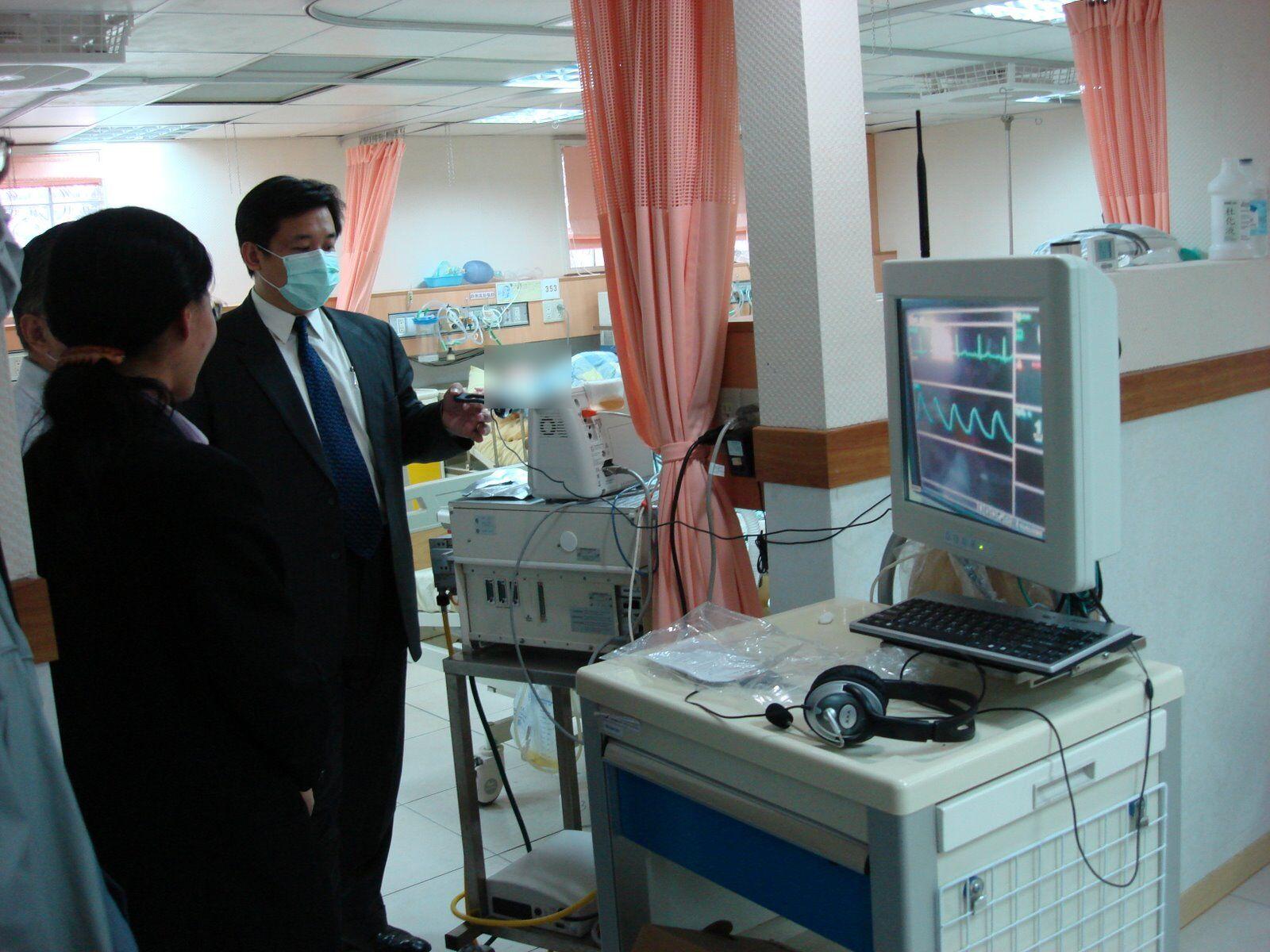
The computers that run water plants and power grids, in plain words: sensors, PLCs, the HMI screen and the control room, followed through one water plant. Why they are harder to secure than an office, what official reports say has happened, and what defense looks like.
11 min read
The latest from official public sources, in their own words. Each headline opens its source.
Source: Cybersecurity and Infrastructure Security Agency. US government work, public domain.
Source: CISA Known Exploited Vulnerabilities Catalog. CC0 1.0.
Source: FBI Internet Crime Complaint Center. US government work, public information.
Source: NCSC. Contains public sector information licensed under the Open Government Licence v3.0.
Shown as published by each agency, and possibly out of date. Listing them here does not mean any agency endorses or is affiliated with Warhawk Division.
"Your connection isn't private" and codes such as NET::ERR_CERT_DATE_INVALID mean your browser could not confirm a website's identity. Here is what each code points to, the safe things to check in order, and why you should not sign in or pay until the warning is gone.
7 min read
"Windows protected your PC" is a Microsoft Defender SmartScreen warning about a downloaded app that Windows does not recognize. It is not proof the app is harmful, but Microsoft treats an unknown app as a higher risk. Here is how to decide what to do next.
7 min read
A pop-up that says "Windows Defender Security Warning" and gives a phone number to call is a scam run from a web page. It did not come from Microsoft or from Windows. Do not call. Close the browser, and here is what to do if you already called or paid.
7 min read
"Enter the recovery key for this drive" means BitLocker could not unlock your encrypted drive by itself and wants a 48-digit key. Here is why the screen appears, the places Microsoft says the key may be kept, and what a reset costs you if it cannot be found.
7 min read
Deleting a file removes its name, not its contents. Here is why, how encryption turns a factory reset into a real erase, the reset steps Apple, Google and Microsoft publish, why solid-state drives need different handling, and what NIST means by clear, purge and destroy.
11 min read
Which schemes take the most money from people over 60, by the FBI's and the FTC's own counts, and three tools that put a second set of eyes on the accounts: alerts, a trusted contact and a power of attorney. Plus how to raise the subject and where to report.
11 min read
Seven settings do most of the work of securing a home computer: updates, a standard account, disk encryption, the firewall and malware protection, a screen lock, an extension review and backups. Here is where Microsoft and Apple say each one lives, and what it protects.
12 min read
Facts only
Fake tracking texts, packages you never ordered, lookalike stores and gift card demands, as the FTC, the Postal Inspection Service, CISA and the FBI's complaint center describe them, with the official steps to take if you already clicked or paid. Facts only, as of 15 November 2026.
10 min read
A data broker sells information about you that you never gave it. Here is what the FTC and the state registries say brokers hold, how California's free deletion platform works as of November 2026, how to opt out by hand anywhere, and what removal does not fix.
12 min read
A cyber policy has two halves: your own costs after an incident, and claims other people bring against you. What regulators and federal agencies say each half typically covers, what is commonly excluded, what applications ask about, and the NAIC's 2025 numbers. A description, not buying advice.
10 min read
What a credit freeze blocks and what it lets through, how it differs from a fraud alert and a paid lock, how to place one at Equifax, Experian and TransUnion, how to freeze a child's file, what the IRS Identity Protection PIN adds, and the FTC's recovery steps if your identity is used.
12 min read
Facts only
On 12 November 2026 the FTC warned that scammers copy its own website. Real FTC sites end in .gov. Separately, the agency is asking the public, until 30 November, whether online platforms should have to screen ads that impersonate businesses and government. Facts only, from the FTC's pages.
10 min read
Facts only
On 2 November 2026 NIST published a free, plain-language cybersecurity guide for businesses with no employees other than the owner. Here is who it is for, the actions it lists first, how it is laid out, and what it says it does not cover.
8 min read
Facts only
OpenSSH shipped an urgent release on 5 November 2026 for a password login bypass on some Linux systems, and CISA lists it as exploited. Here is what the project, Alpine Linux and the CVE record say, who is affected, and what they tell you to do.
8 min read
Microsoft fixed an Outlook flaw on 10 November 2026 and says it was exploited before the fix. Open the wrong file and Outlook can quietly hand over a piece of your login. Here is what the advisory says, what it does not say, and what to do.
6 min read
WordPress 7.1.4, released on 28 October 2026, fixed a flaw that could let an attacker run code on a server in the short window while WordPress upgrades itself. On 3 November CISA said it is being exploited. Here is how it works, which versions are fixed, and what site owners should do.
5 min read
Your router has dozens of settings and six of them do most of the protecting: the admin password, updates, the encryption type, WPS, a guest network and remote administration. What each one does and what to set it to.
8 min read
Both sides
Australia set a minimum age of 16 for social media and Britain plans to follow. The best case for a minimum age, the best case against, how age checks work and what they cost in privacy, and what Australia's first numbers show. No side taken.
11 min read
Linux runs phones, routers, game servers and the Steam Deck, yet it is hard to say what it is. What a kernel and a distribution are, where Linux came from, and three safe ways to try it tonight.
8 min read
Both sides
Some governments ban their own agencies from paying ransomware crews, and some want the ban to reach hospitals and private firms. The best case for a ban, the best case against, what the evidence shows, and what it cannot settle.
11 min read
Both sides
Cameras that read plates and software that matches faces are now everyday police tools. Here is how each works, the best case for using them, the best case for tight limits, what courts and studies say as of 12 November 2026, and what stays a judgment call.
11 min read
A thief who talks your carrier into moving your phone number starts receiving your login codes. What a SIM swap and a port-out are, how a carrier PIN and number lock stop them, and how to move your key accounts off text message codes.
8 min read
What critical infrastructure is, and the technologies now being added to it: smart meters, rooftop solar and inverters, grid batteries, digital substations, private 5G, digital twins, AI, drones and more. What each one does, the new risk it brings, and what a resident can ask.
10 min read
The computers that run water plants and power grids, in plain words: sensors, PLCs, the HMI screen and the control room, followed through one water plant. Why they are harder to secure than an office, what official reports say has happened, and what defense looks like.
11 min read
The latest from official public sources, in their own words. Each headline opens its source.
Source: Cybersecurity and Infrastructure Security Agency. US government work, public domain.
Source: CISA Known Exploited Vulnerabilities Catalog. CC0 1.0.
Source: FBI Internet Crime Complaint Center. US government work, public information.
Source: NCSC. Contains public sector information licensed under the Open Government Licence v3.0.
Shown as published by each agency, and possibly out of date. Listing them here does not mean any agency endorses or is affiliated with Warhawk Division.