
Loading
Warhawk Division is a gaming community. This is a unit document, not a government or military publication.Warhawk Division is an independent gaming community, for entertainment purposes only. It is not affiliated with, sponsored by, or endorsed by Bohemia Interactive, the United States Department of Defense, or any military organization. Arma Reforger is a trademark of its respective owner. Printed from warhawkdivision.com.
A chatbot writes by predicting one small piece of text at a time. Here is the mechanism in plain words: tokens, training, the transformer and attention, the context window, why a model states things that are false, and what fine-tuning and retrieval change.
12 min read
Facts only
In November 2026 NIST published IR 8621, a report on its May workshop about handling incidents that involve AI systems. It is a summary of what participants said, not a rule. Here is what it covers, what NIST says it plans next, and what it leaves open.
9 min read

Facts only
Microsoft's November 2026 release notes count 1,094 fixes; a year earlier they counted 63. OpenSSH says many of its bug reports now come from AI. Here is what the vendors' own notes say, what they do not say, and what the official guidance tells you to do.
8 min read
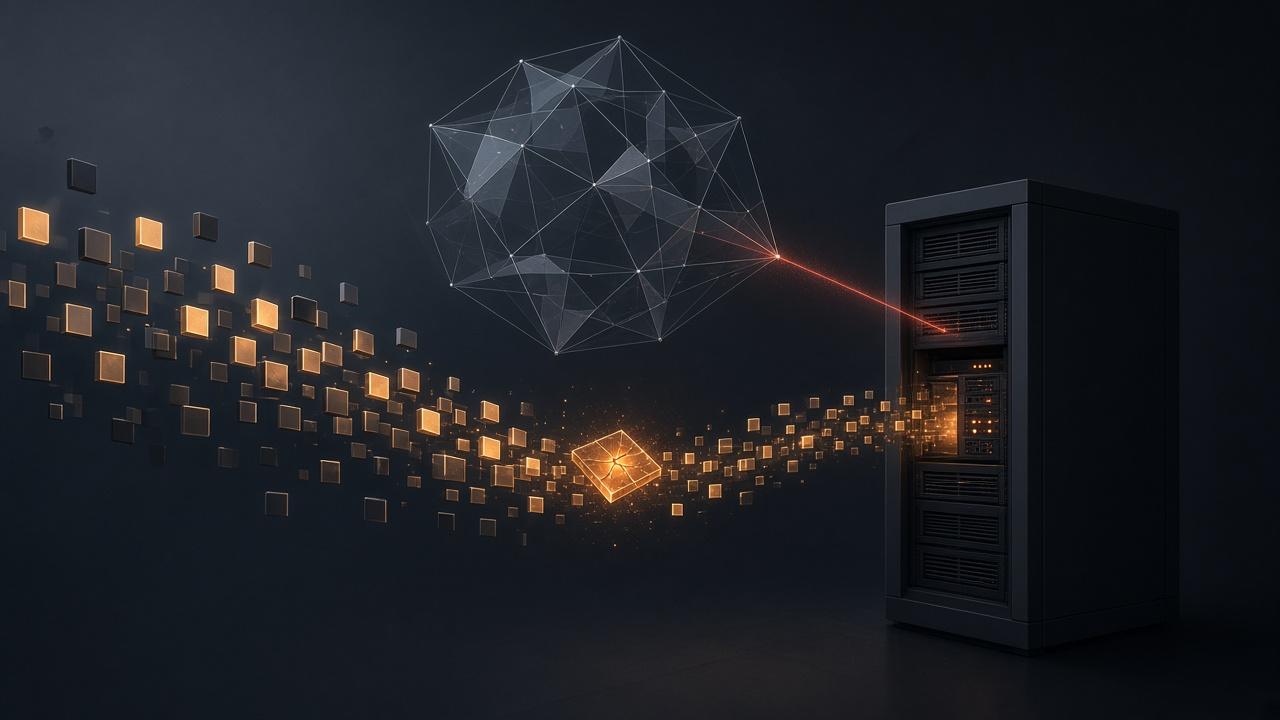
Red Hat and Ubuntu rate CVE-2026-98432, a race-condition bug in the Linux kernel's TCP code, as critical. It could let a remote attacker run code with no login. Anthropic says one of its AI models found it and wrote a working exploit.
7 min read
Both sides
AI companies copied millions of books, articles and pictures to train their models, mostly without asking. Here is the best case that this was taking, the best case that it was fair use, and where the court cases stand on 12 November 2026.
11 min read
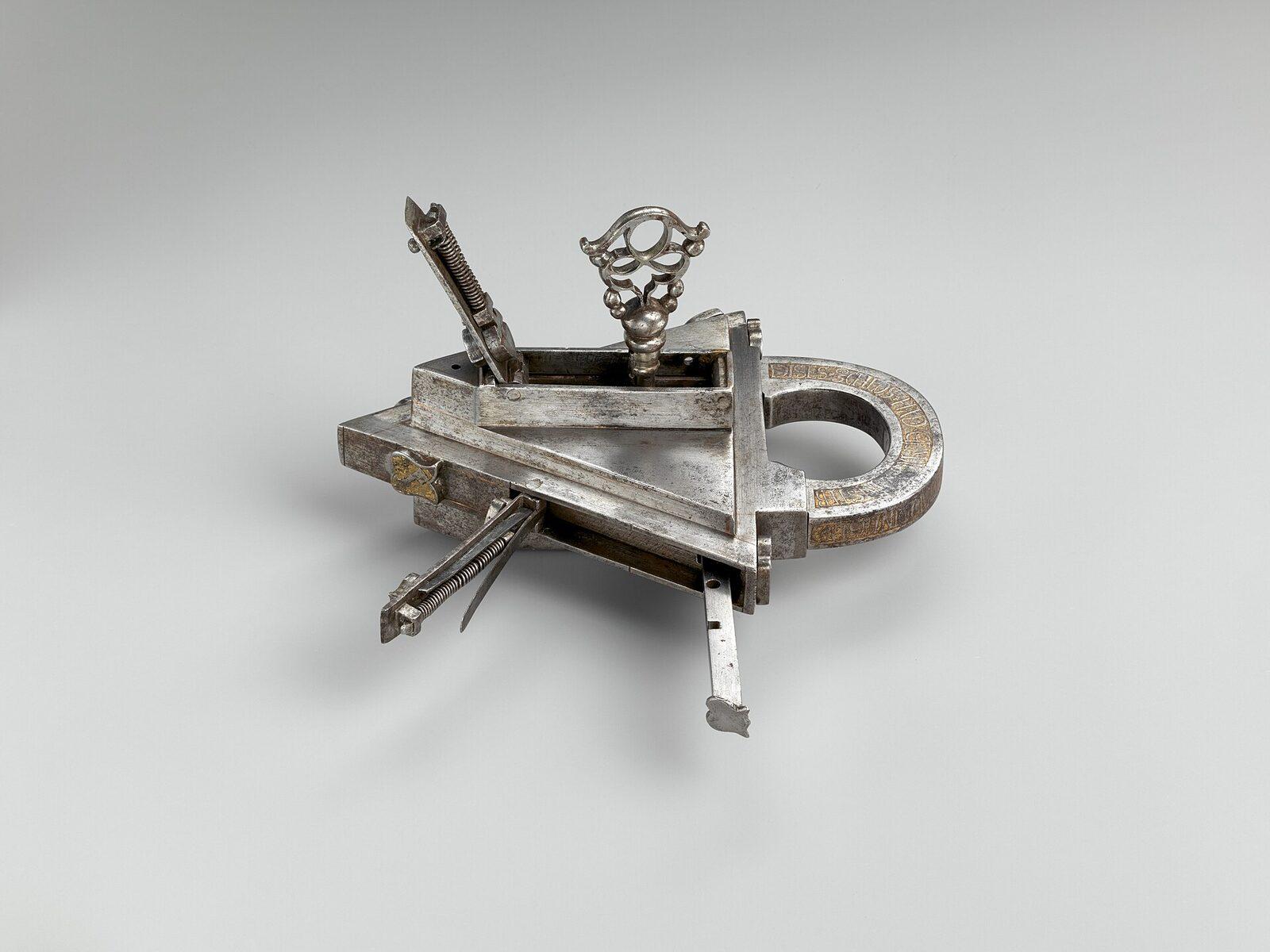
Both sides
Some AI models stay behind a company's gate. Others are published for anyone to download, change and run. Here is the best case that this is a safety risk, the best case that it keeps a few firms in check, and what official reports say.
10 min read

Hermes is a family of AI models you can download and run yourself, plus an open source agent, both from Nous Research. What open weights mean, what the current releases are, how people run them, and what to know before using a less restricted model.
10 min read
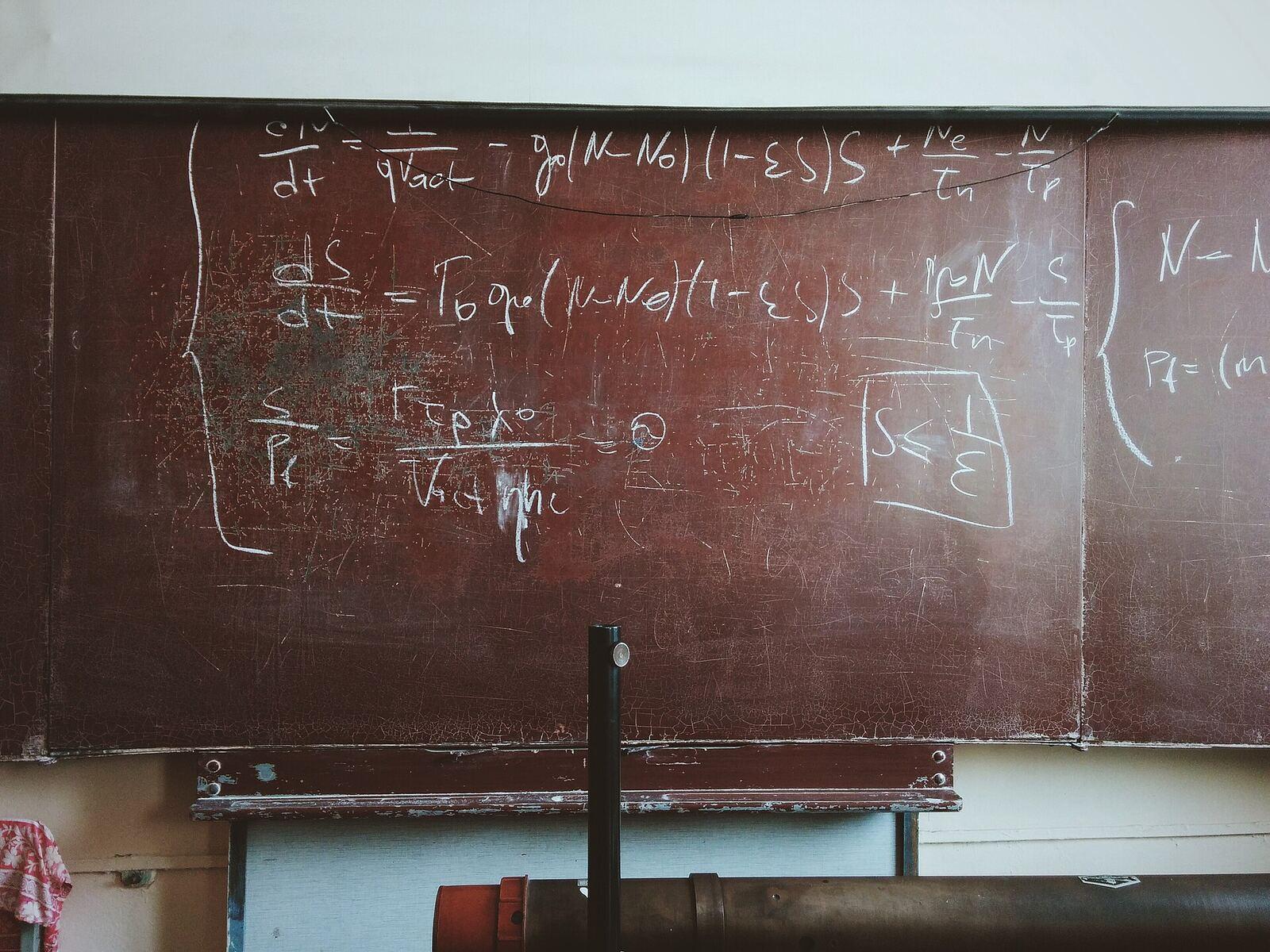
Headlines say AI is solving math that stumped people for decades. Some of that is true. The verified cases from 1976 to 2026, sorted by what really happened: a case check, a better bound, a contest win, or an open question settled.
10 min read
Qwen is Alibaba Cloud's family of AI models: some you download, some you rent. How to read the model names, what the current ones are for, what the licenses allow, and the questions to ask about where your data goes with any hosted AI.
10 min read

DeepSeek is a Chinese AI company whose January 2025 reasoning model put its name everywhere. What it released and when, what a reasoning model is, the difference between its app and its open weights, and what regulators have published.
9 min read
A chatbot writes by predicting one small piece of text at a time. Here is the mechanism in plain words: tokens, training, the transformer and attention, the context window, why a model states things that are false, and what fine-tuning and retrieval change.
12 min read
Facts only
In November 2026 NIST published IR 8621, a report on its May workshop about handling incidents that involve AI systems. It is a summary of what participants said, not a rule. Here is what it covers, what NIST says it plans next, and what it leaves open.
9 min read
Facts only
Microsoft's November 2026 release notes count 1,094 fixes; a year earlier they counted 63. OpenSSH says many of its bug reports now come from AI. Here is what the vendors' own notes say, what they do not say, and what the official guidance tells you to do.
8 min read
Red Hat and Ubuntu rate CVE-2026-98432, a race-condition bug in the Linux kernel's TCP code, as critical. It could let a remote attacker run code with no login. Anthropic says one of its AI models found it and wrote a working exploit.
7 min read
Both sides
AI companies copied millions of books, articles and pictures to train their models, mostly without asking. Here is the best case that this was taking, the best case that it was fair use, and where the court cases stand on 12 November 2026.
11 min read
Both sides
Some AI models stay behind a company's gate. Others are published for anyone to download, change and run. Here is the best case that this is a safety risk, the best case that it keeps a few firms in check, and what official reports say.
10 min read
Hermes is a family of AI models you can download and run yourself, plus an open source agent, both from Nous Research. What open weights mean, what the current releases are, how people run them, and what to know before using a less restricted model.
10 min read
Headlines say AI is solving math that stumped people for decades. Some of that is true. The verified cases from 1976 to 2026, sorted by what really happened: a case check, a better bound, a contest win, or an open question settled.
10 min read
Qwen is Alibaba Cloud's family of AI models: some you download, some you rent. How to read the model names, what the current ones are for, what the licenses allow, and the questions to ask about where your data goes with any hosted AI.
10 min read
DeepSeek is a Chinese AI company whose January 2025 reasoning model put its name everywhere. What it released and when, what a reasoning model is, the difference between its app and its open weights, and what regulators have published.
9 min read