
Loading
Warhawk Division is a gaming community. This is a unit document, not a government or military publication.Warhawk Division is an independent gaming community, for entertainment purposes only. It is not affiliated with, sponsored by, or endorsed by Bohemia Interactive, the United States Department of Defense, or any military organization. Arma Reforger is a trademark of its respective owner. Printed from warhawkdivision.com.
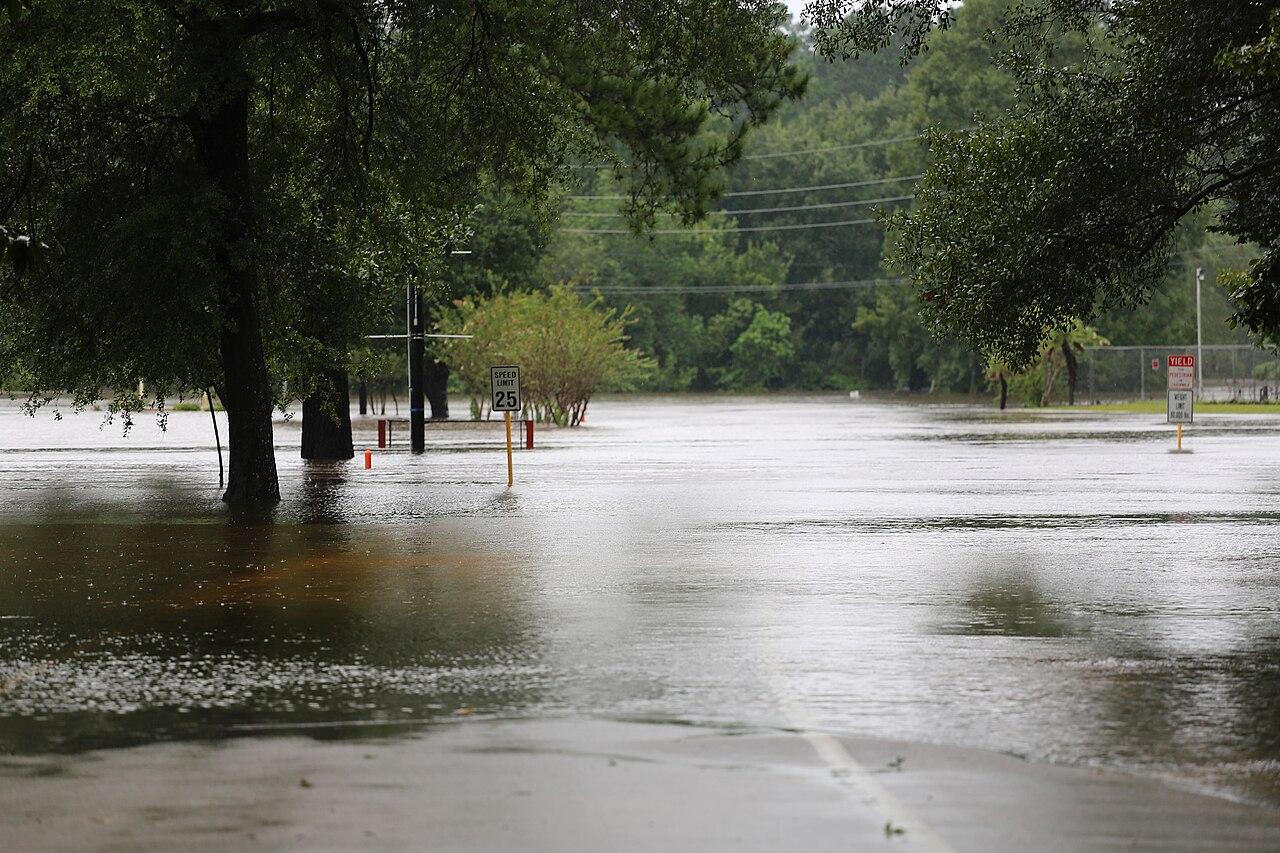
NOAA's 19 November 2026 winter outlook raised the odds for heavy rain and storms across the southern tier and East Coast under a historic El Niño. Here is how to prepare for both extreme rain and sudden freezes, using hard lessons from Hurricane Harvey and Winter Storm Uri.
7 min read
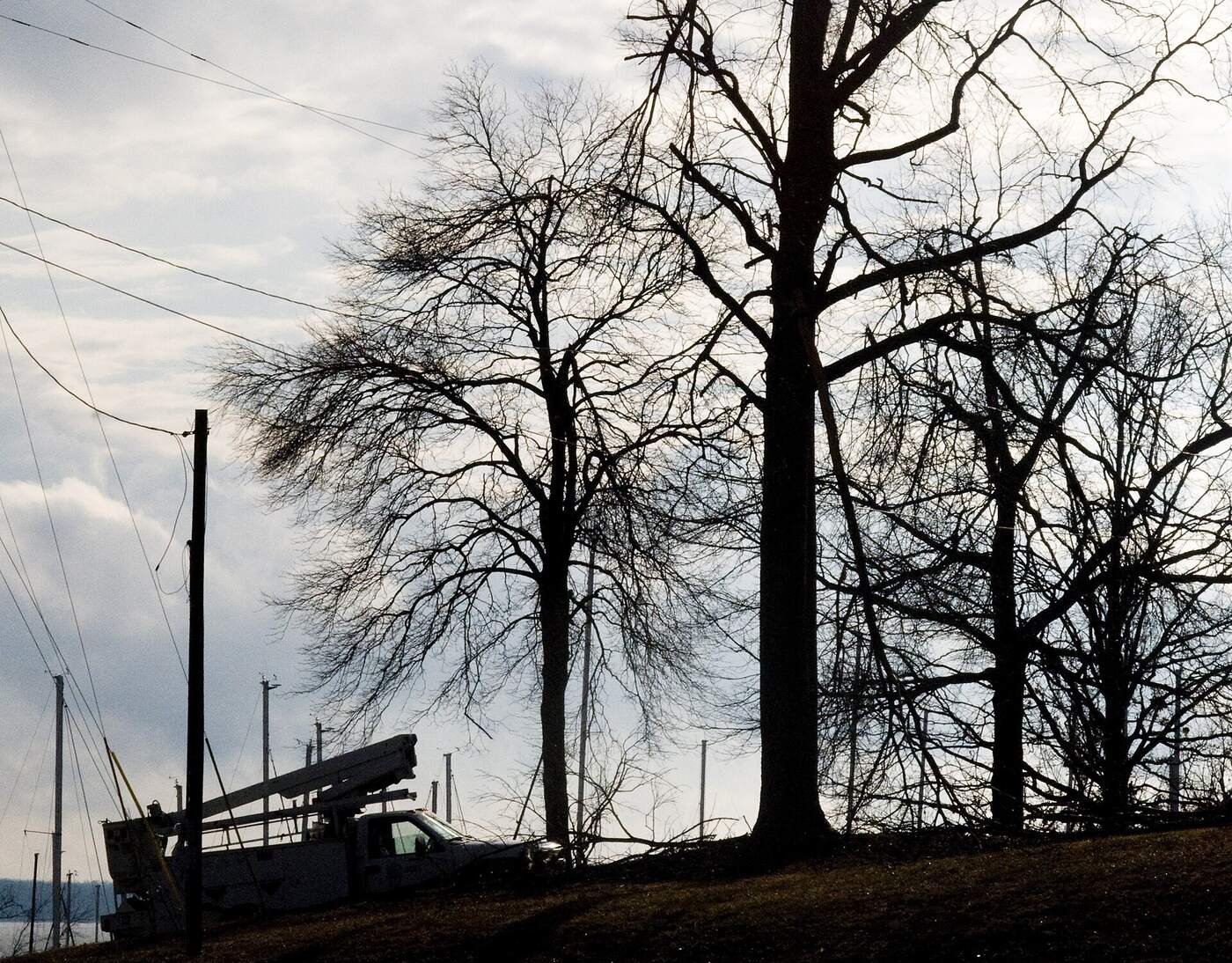
When the power goes out in the cold, the dangers are carbon monoxide, fire, spoiled food and frozen pipes. Here are the distances, hours and temperatures that CPSC, CDC, NFPA, USDA, FDA and the Red Cross publish, in their own words, with links to each page.
11 min read
Facts only
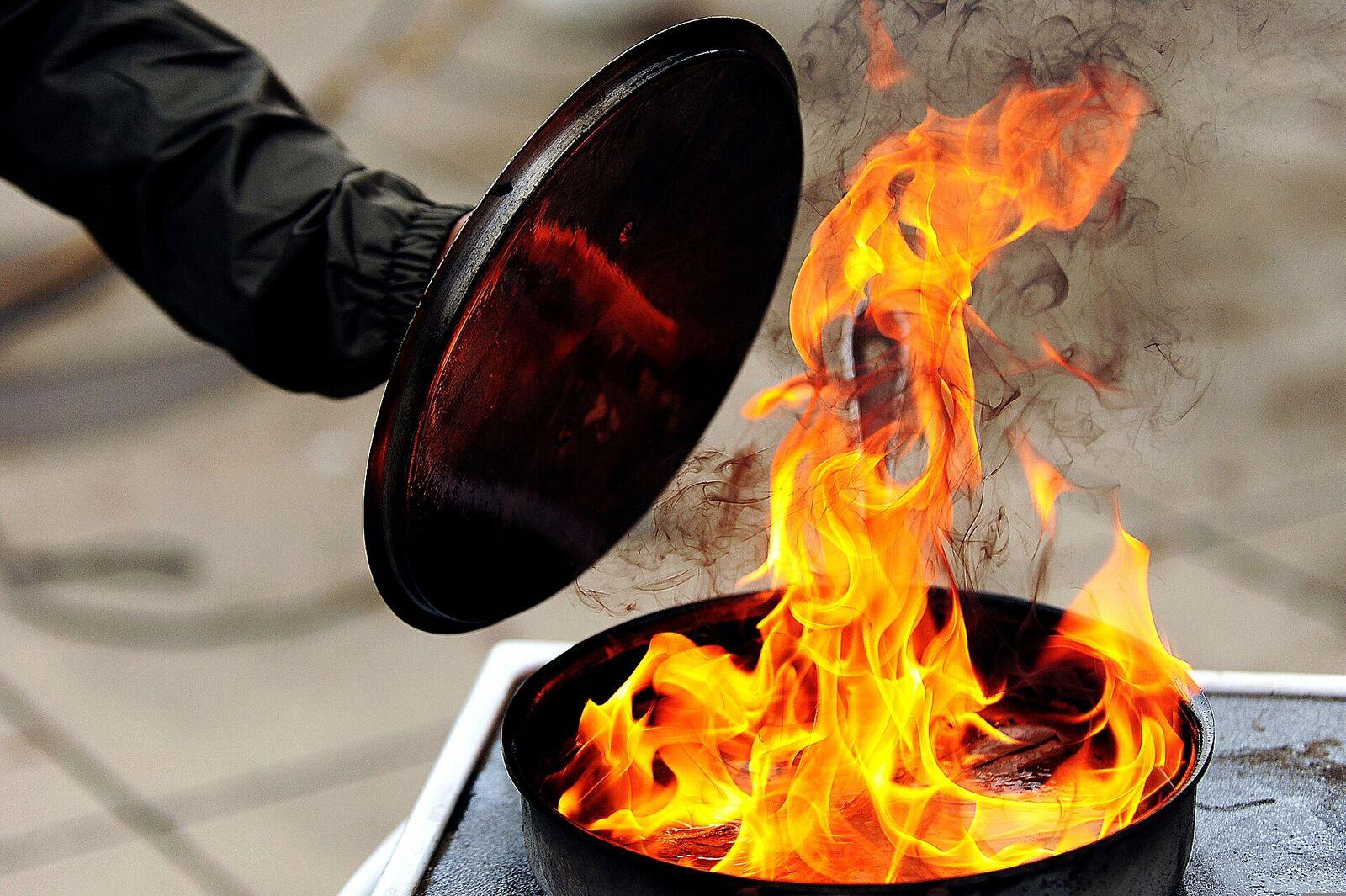
On 12 November 2026 the CPSC announced a recall of about 265,000 Sharper Image-branded tabletop fire pits. Here is what the notice says, what "flame jetting" means in the agency's own words, what the notice tells owners to do, and what it leaves out.
7 min read
NOAA's winter outlook, released on 15 October 2026, says El Niño will likely bring a warmer North and a wetter South and East from December through February. On 12 November, NOAA's Climate Prediction Center said a strong-to-very strong El Niño is likely through early 2027.
6 min read
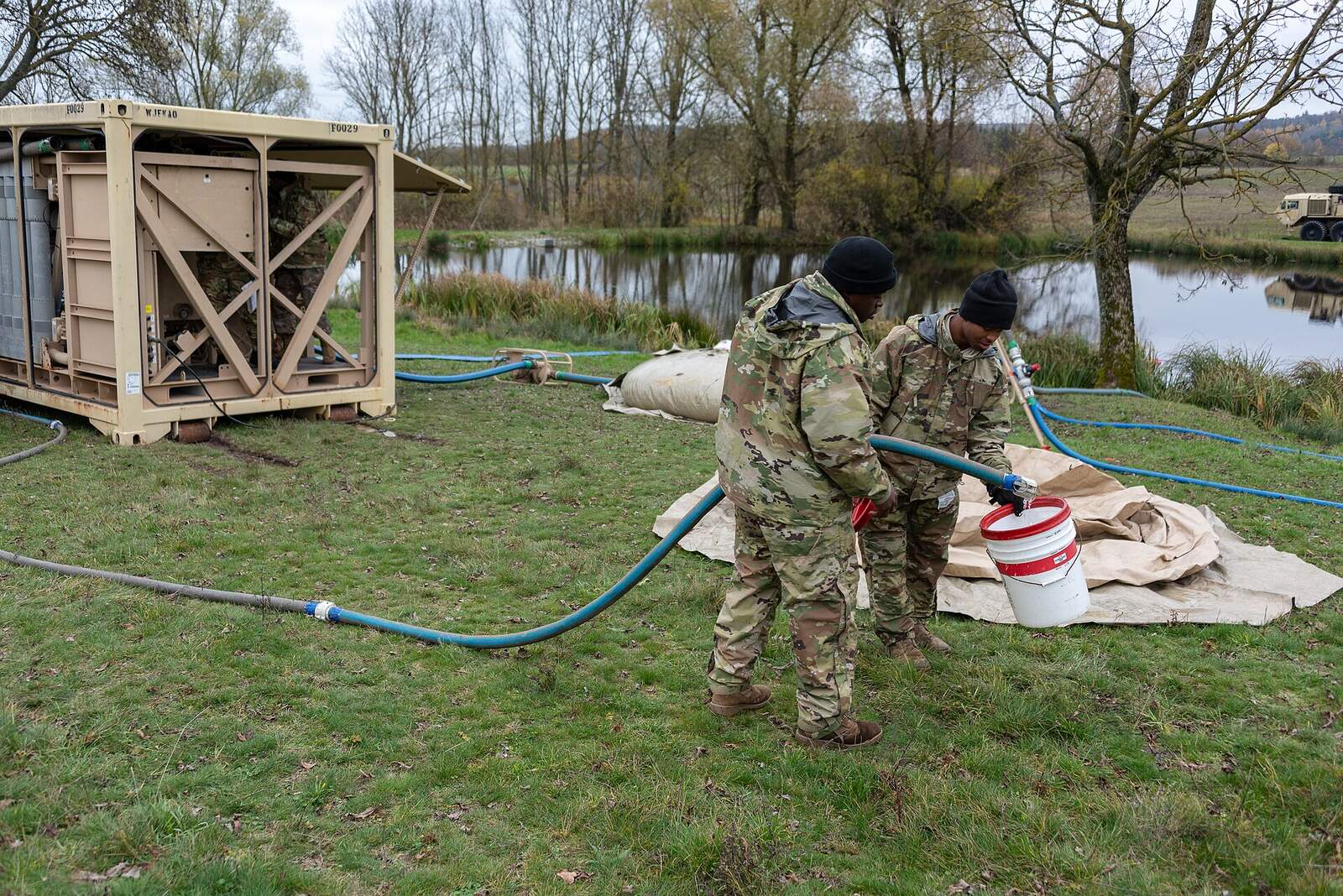
How much water to store and how to keep it, the water already hiding in your home, what never to drink, and the official CDC and EPA instructions for boiling, bleach, filters, tablets, UV and distilling, with what each method does not remove.
10 min read
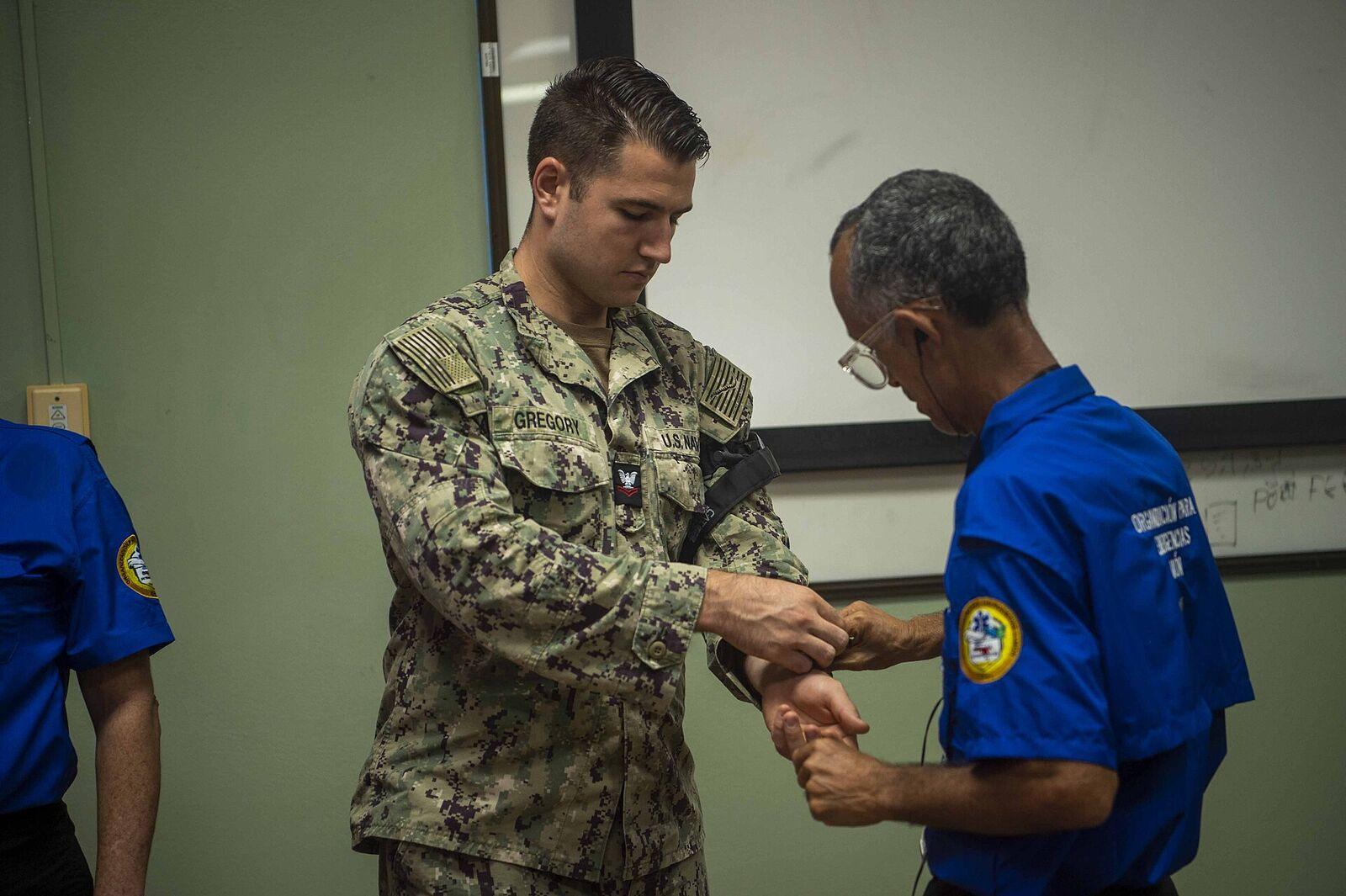
What a bystander can do in the minutes or hours before an ambulance arrives, as the Red Cross, the American Heart Association, Stop the Bleed and the CDC teach it: bleeding, CPR, choking, burns, breaks, shock, stroke, heat and cold, and a home kit.
10 min read
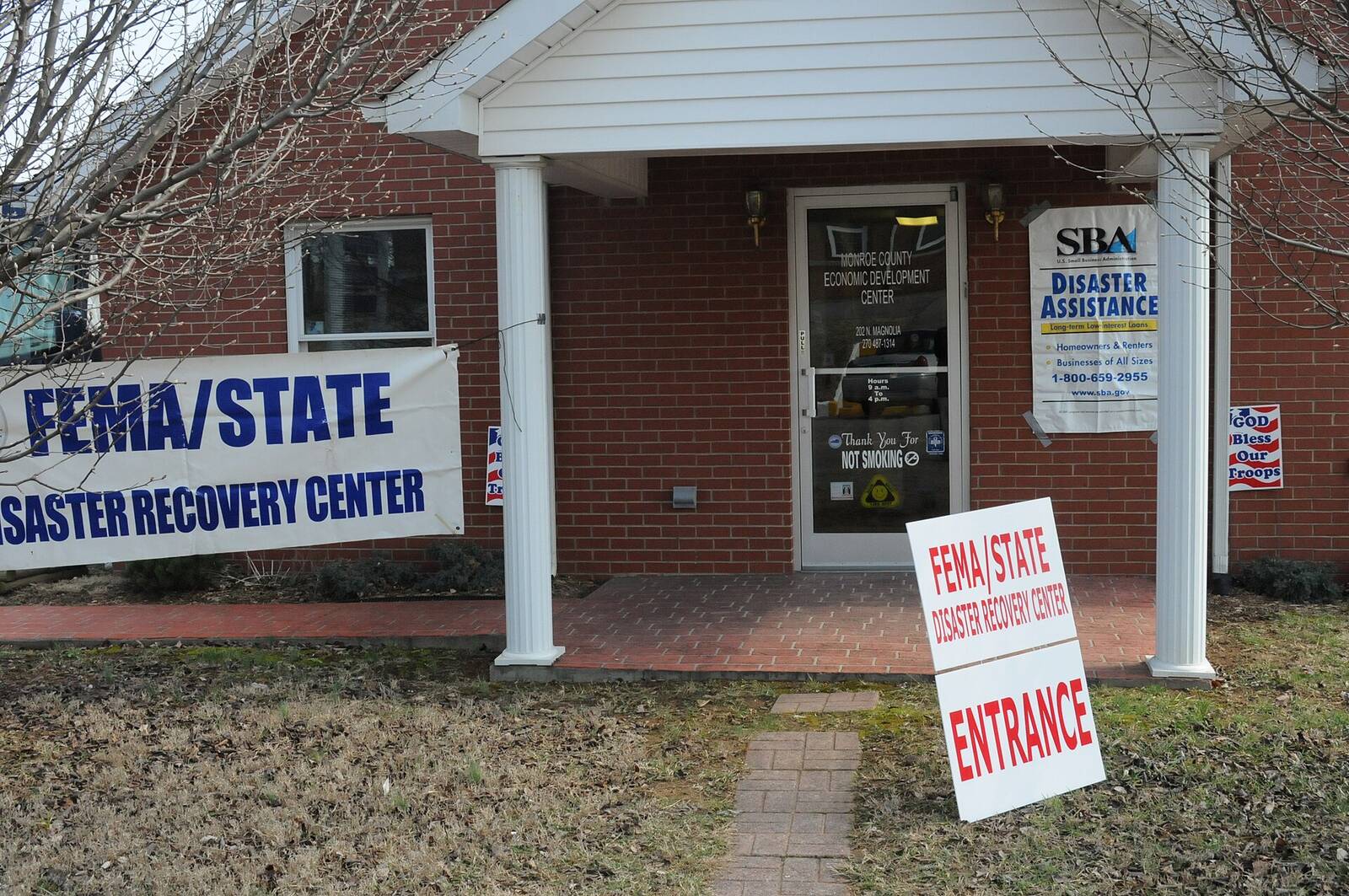
FEMA coordinates and pays; it is not the first responder and not insurance. How a declaration works, what a household can receive in grants, how to apply and appeal, how to spot impostors, and where the agency stands as of 12 November 2026.
10 min read
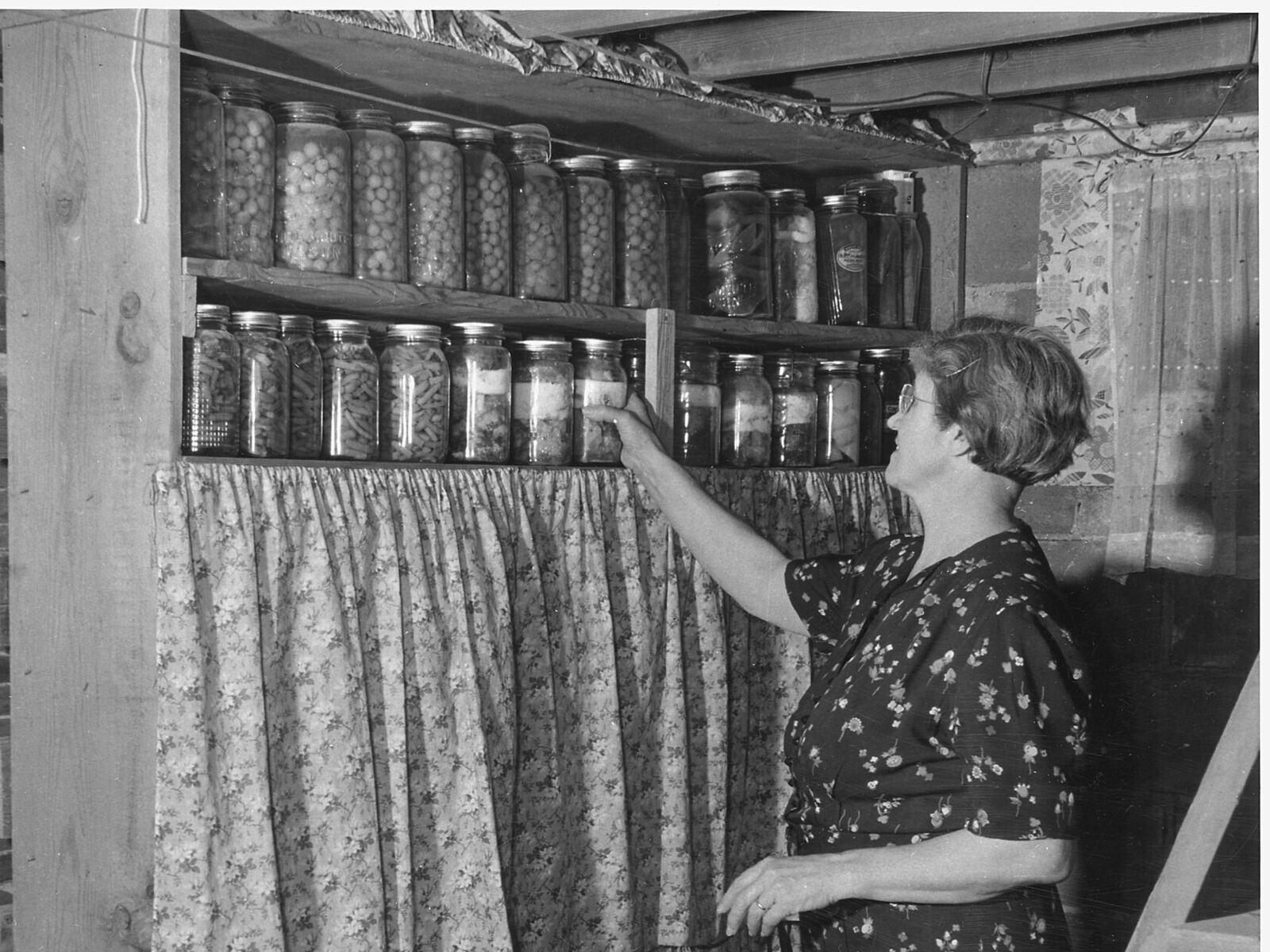
A two week food supply is a deeper pantry of food you already eat, bought a little at a time and rotated. What the agencies say to keep, a six week shopping plan, what dates on cans mean, cooking without power, outage rules, and plans for one person and for four.
10 min read
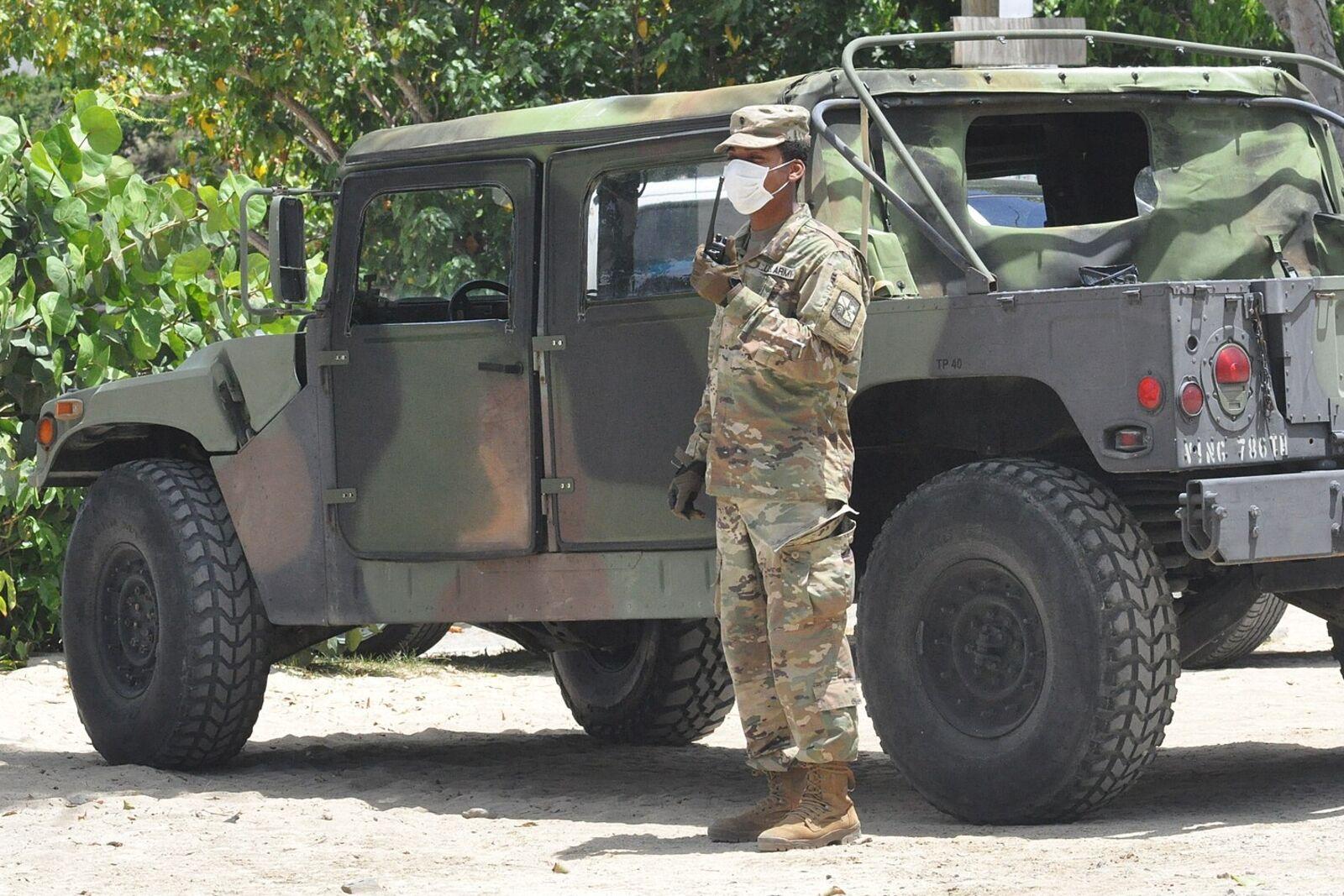
The law first: what you may listen to, what needs a license, and why many cheap imported handhelds are not legal on FRS or GMRS. Then how the radio works: VHF and UHF, repeaters, offset and tone, programming with CHIRP, antennas, weather channels and honest range.
10 min read
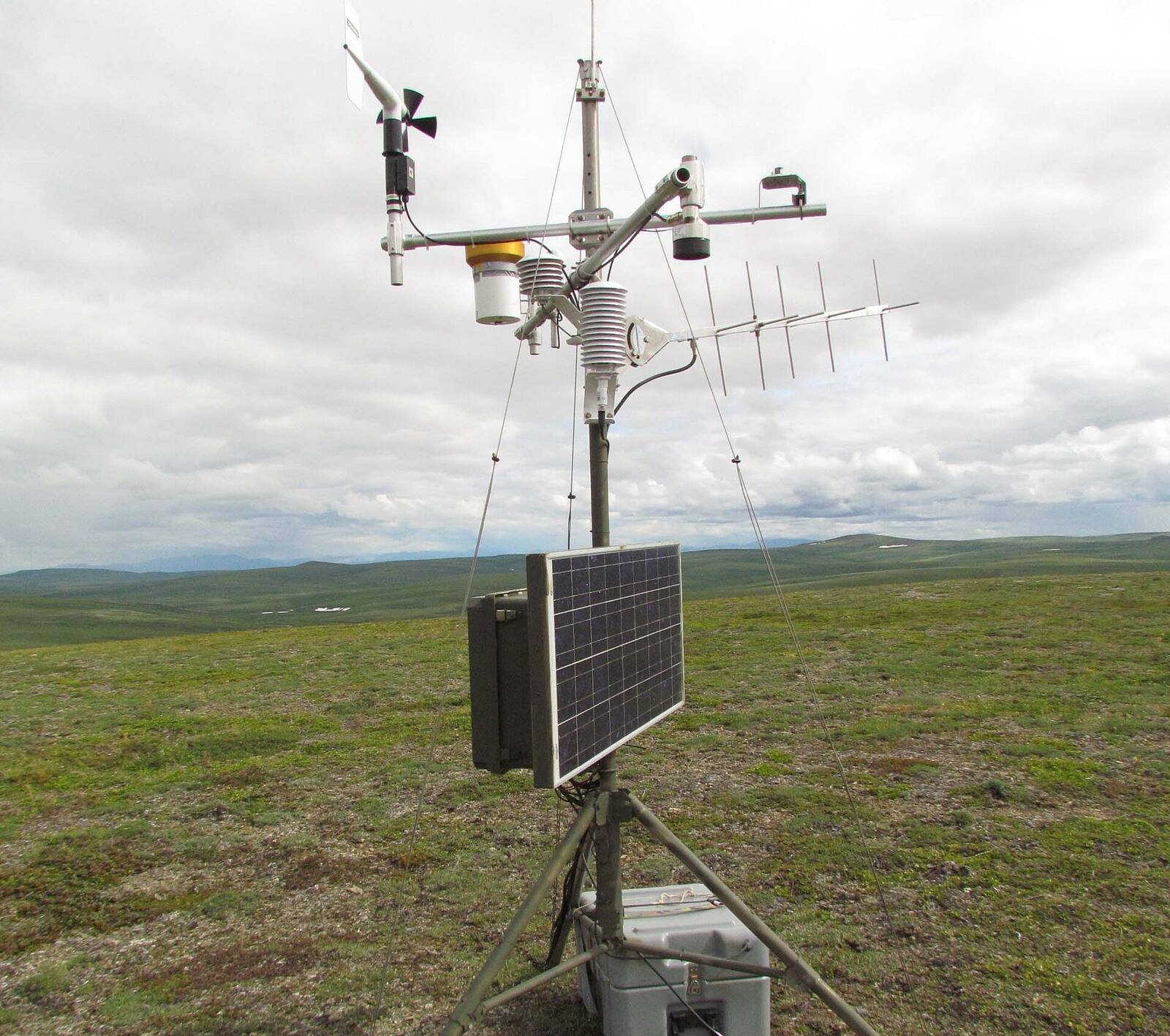
Meshtastic sends short text messages between small LoRa radios with no cell network, no internet and no license in the US. How a mesh relays messages, what decides range, what the encryption does and does not protect, and a first setup.
10 min read
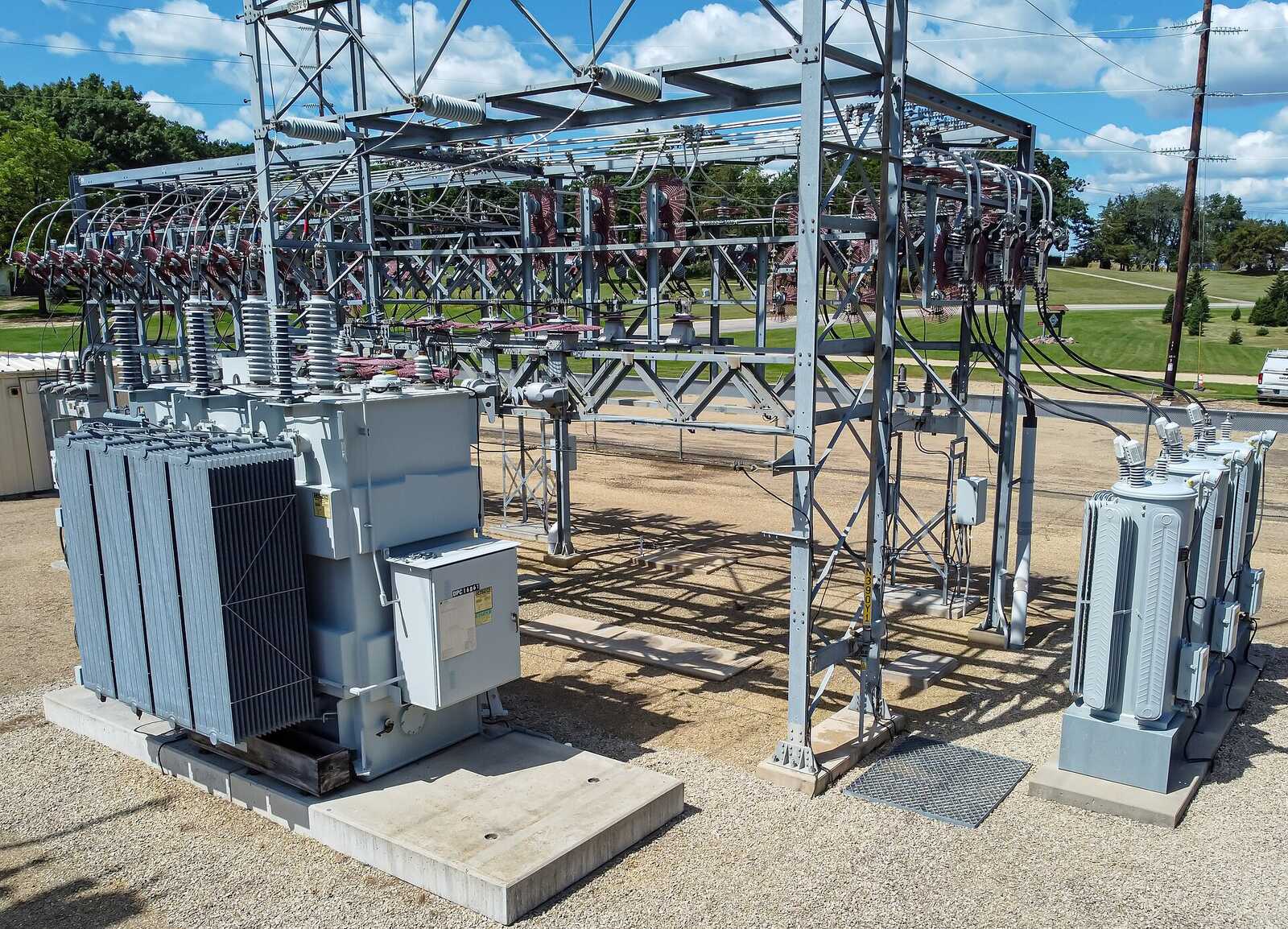
What an electromagnetic pulse is, what the 1962 nuclear tests showed, what the EMP Commission concluded and what its critics answer, what the US government has done, the solar storm version, and the household steps that make sense for any long outage.
10 min read
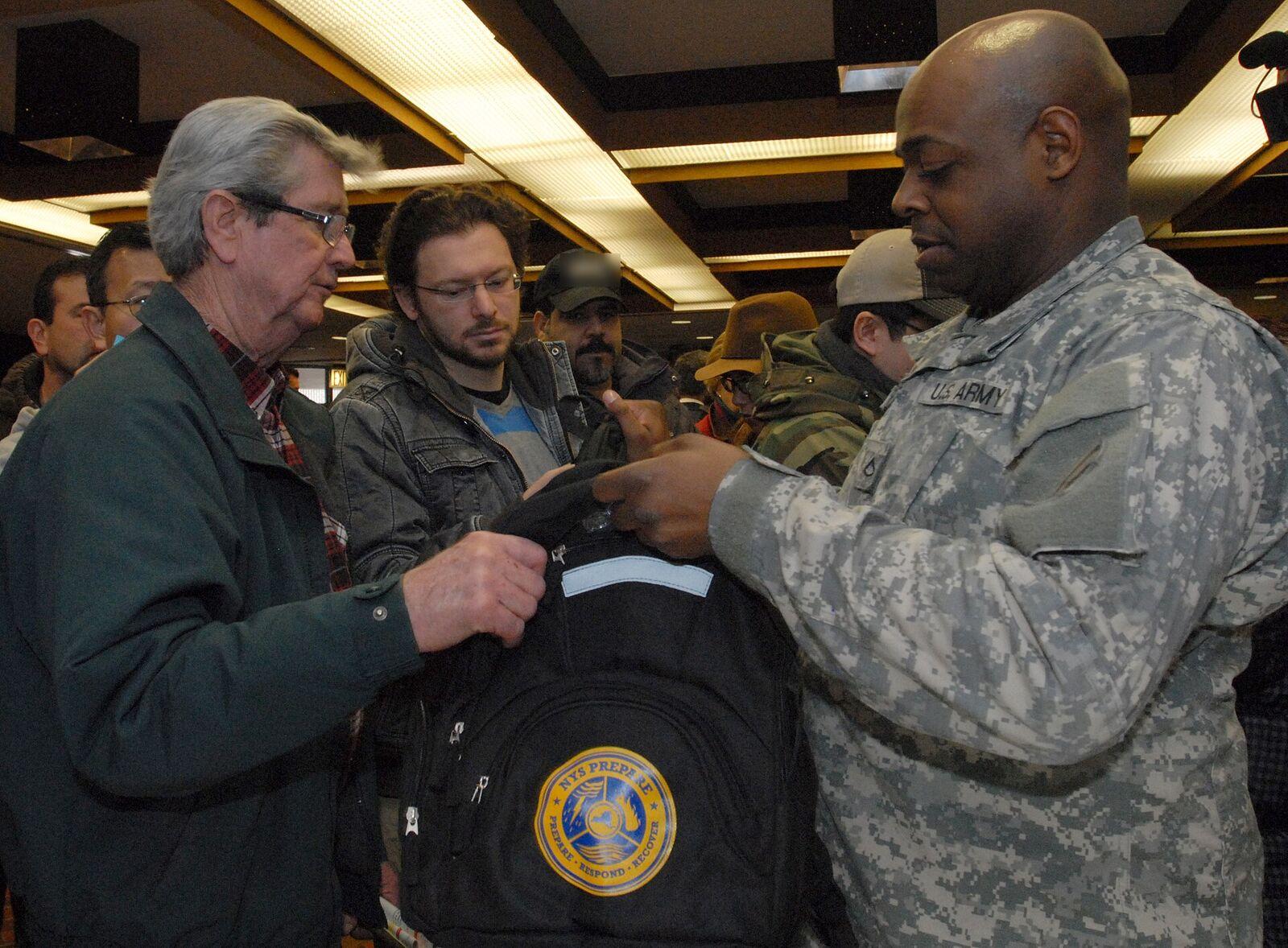
A go bag is for leaving home in minutes and getting through about three days. What Ready.gov and the Red Cross list, how to carry documents, why water sets the weight, how to fit it to your household, and a twice a year check.
11 min read
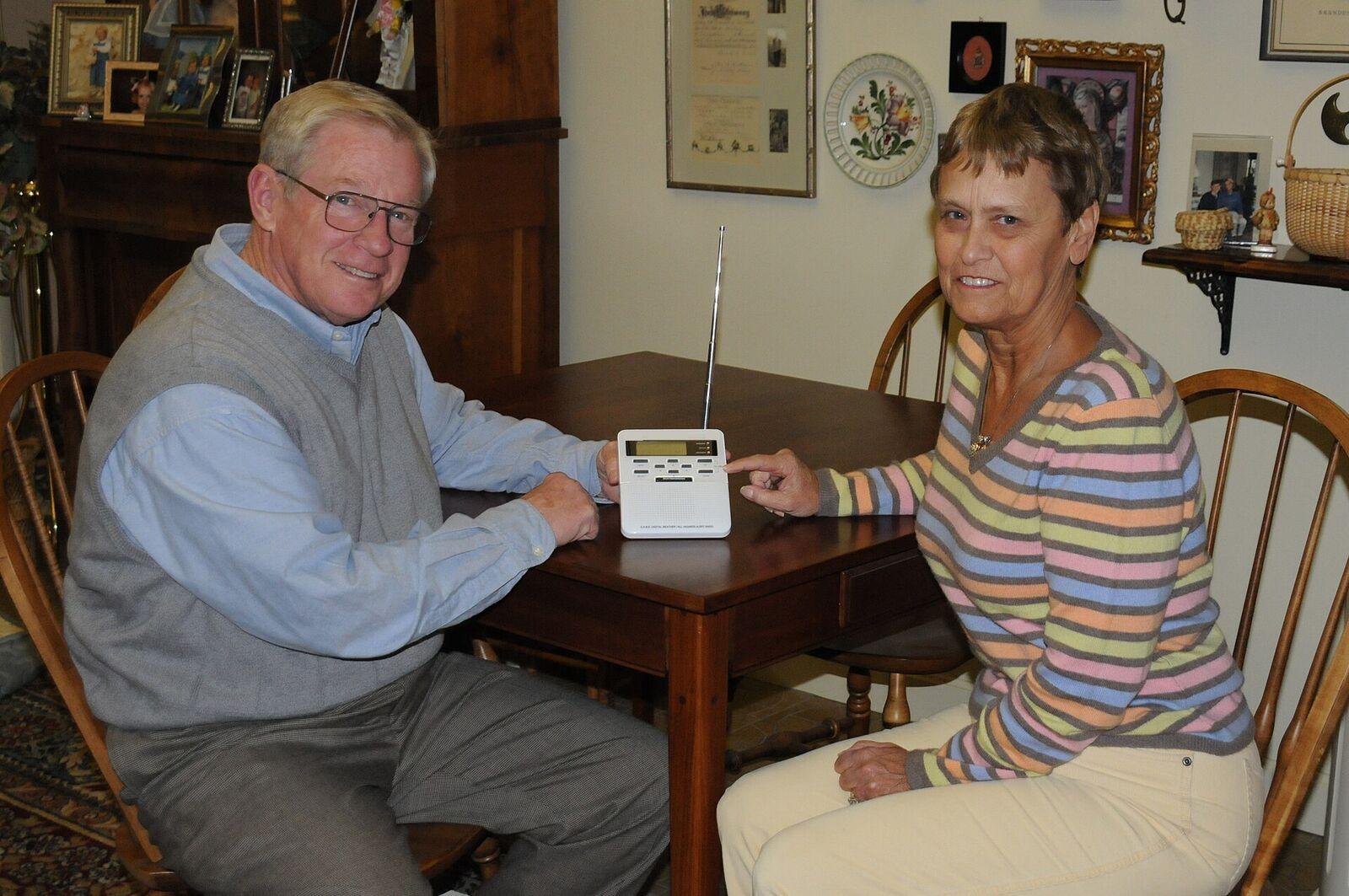
How a household finds each other when calls will not connect: why texts get through, an out-of-town contact, meeting places, a paper card for every wallet, alerts, weather radio, keeping phones charged, satellite texting, schools, and practice.
10 min read
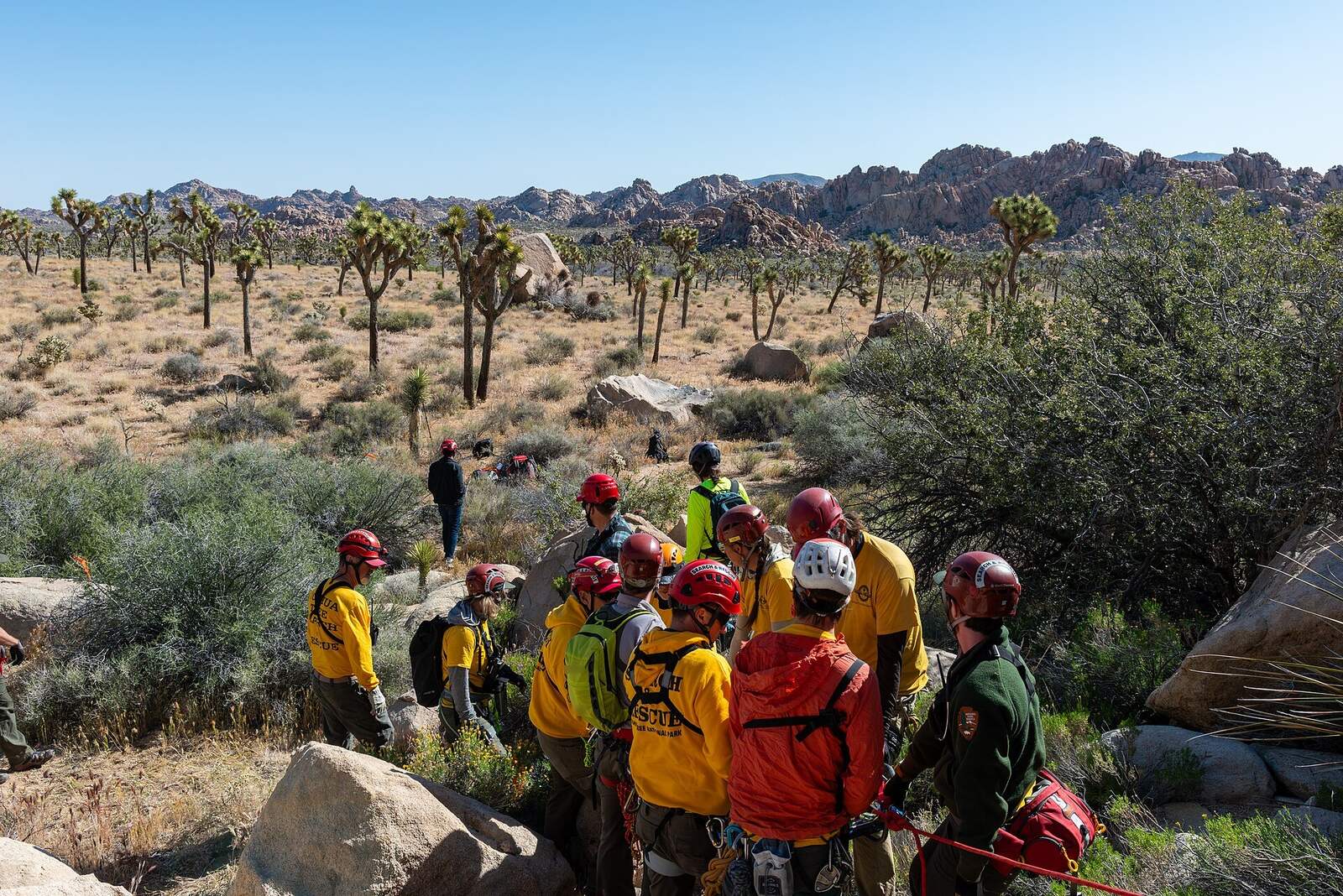
What to do in the hours after a wrong turn, a twisted ankle or a car in a snowbank: the real risks, the order of priorities, STOP, why staying put works, shelter, fire, water, signaling in threes, and the ten essentials a day hiker should carry.
10 min read
City emergencies are mostly systems stopping: power, water, transit, cooling. What changes in a high-rise, how to get home on foot, why heat is the weather hazard to respect, how alerts reach you, and what a city provides.
10 min read
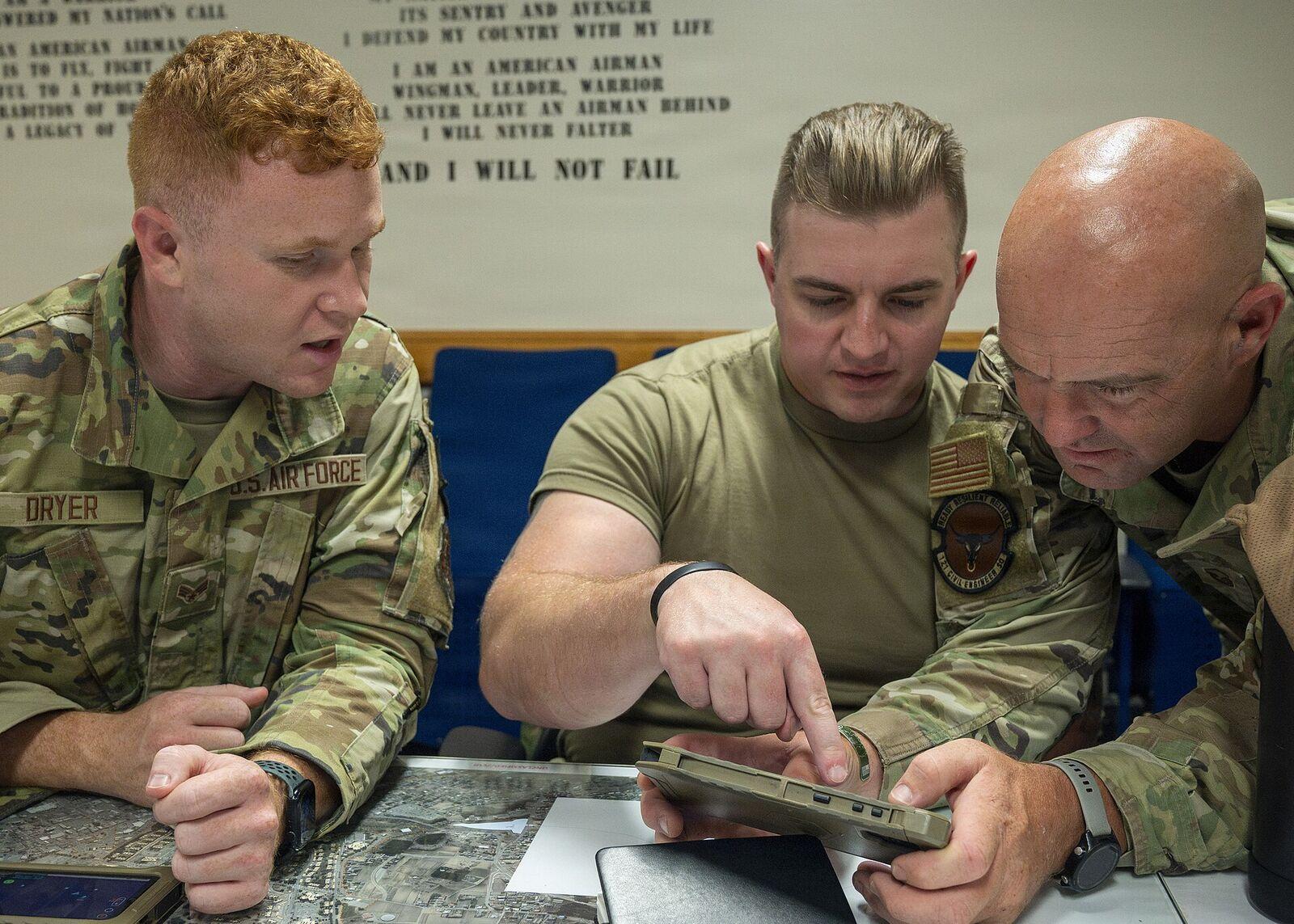
What ATAK is, who built it and who may use which version, how a shared team map works, the other apps in the same space, what the law says about private armed groups, and the privacy questions to ask before you join anyone's server.
11 min read
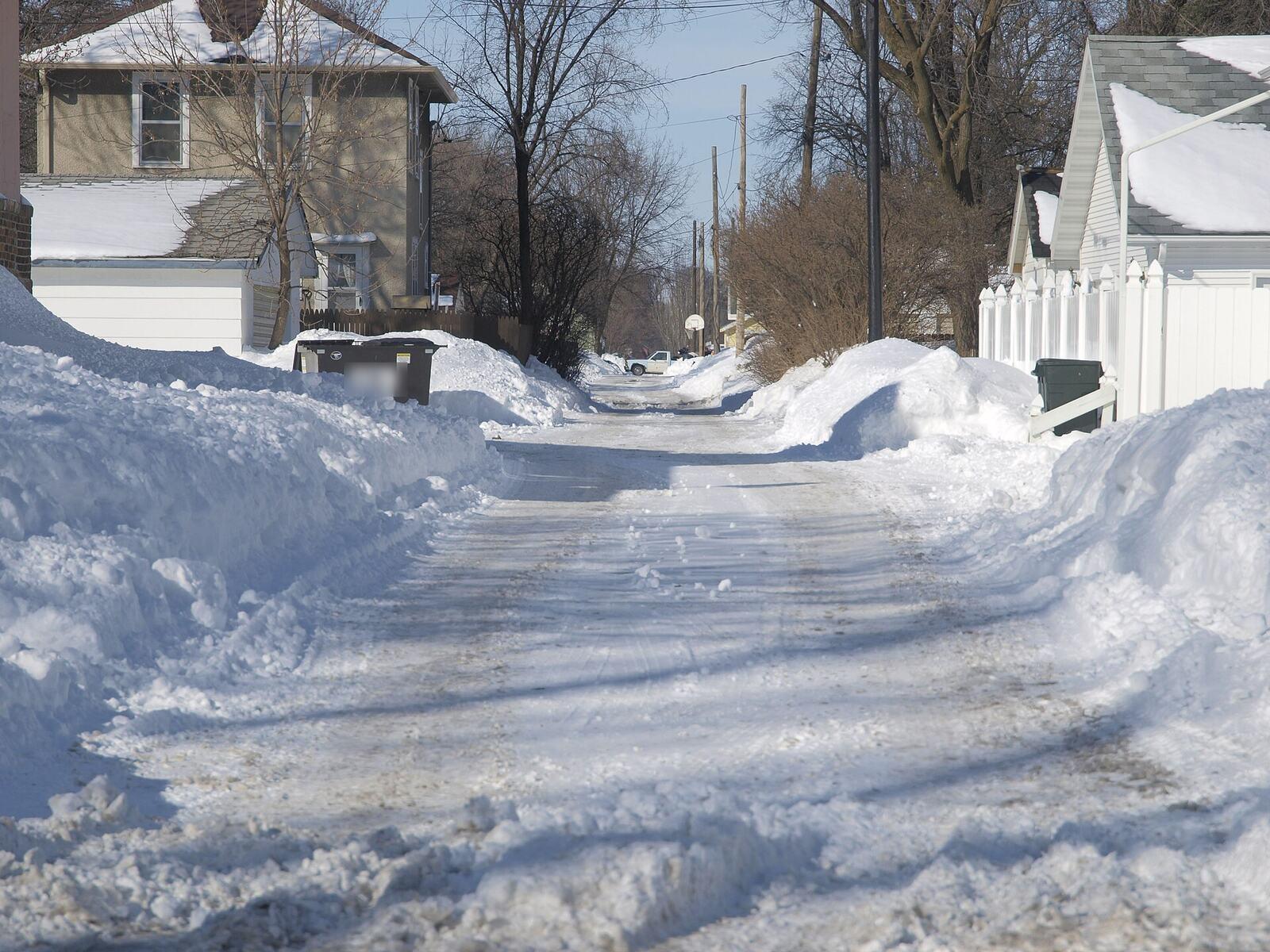
Staying home is often the safer choice in an emergency, and sometimes the wrong one. The cases where you must leave, what a home needs for two weeks without services, generator and carbon monoxide safety, and when to change your mind.
10 min read
NOAA's 19 November 2026 winter outlook raised the odds for heavy rain and storms across the southern tier and East Coast under a historic El Niño. Here is how to prepare for both extreme rain and sudden freezes, using hard lessons from Hurricane Harvey and Winter Storm Uri.
7 min read
When the power goes out in the cold, the dangers are carbon monoxide, fire, spoiled food and frozen pipes. Here are the distances, hours and temperatures that CPSC, CDC, NFPA, USDA, FDA and the Red Cross publish, in their own words, with links to each page.
11 min read
Facts only
On 12 November 2026 the CPSC announced a recall of about 265,000 Sharper Image-branded tabletop fire pits. Here is what the notice says, what "flame jetting" means in the agency's own words, what the notice tells owners to do, and what it leaves out.
7 min read
NOAA's winter outlook, released on 15 October 2026, says El Niño will likely bring a warmer North and a wetter South and East from December through February. On 12 November, NOAA's Climate Prediction Center said a strong-to-very strong El Niño is likely through early 2027.
6 min read
How much water to store and how to keep it, the water already hiding in your home, what never to drink, and the official CDC and EPA instructions for boiling, bleach, filters, tablets, UV and distilling, with what each method does not remove.
10 min read
What a bystander can do in the minutes or hours before an ambulance arrives, as the Red Cross, the American Heart Association, Stop the Bleed and the CDC teach it: bleeding, CPR, choking, burns, breaks, shock, stroke, heat and cold, and a home kit.
10 min read
FEMA coordinates and pays; it is not the first responder and not insurance. How a declaration works, what a household can receive in grants, how to apply and appeal, how to spot impostors, and where the agency stands as of 12 November 2026.
10 min read
A two week food supply is a deeper pantry of food you already eat, bought a little at a time and rotated. What the agencies say to keep, a six week shopping plan, what dates on cans mean, cooking without power, outage rules, and plans for one person and for four.
10 min read
The law first: what you may listen to, what needs a license, and why many cheap imported handhelds are not legal on FRS or GMRS. Then how the radio works: VHF and UHF, repeaters, offset and tone, programming with CHIRP, antennas, weather channels and honest range.
10 min read
Meshtastic sends short text messages between small LoRa radios with no cell network, no internet and no license in the US. How a mesh relays messages, what decides range, what the encryption does and does not protect, and a first setup.
10 min read
What an electromagnetic pulse is, what the 1962 nuclear tests showed, what the EMP Commission concluded and what its critics answer, what the US government has done, the solar storm version, and the household steps that make sense for any long outage.
10 min read
A go bag is for leaving home in minutes and getting through about three days. What Ready.gov and the Red Cross list, how to carry documents, why water sets the weight, how to fit it to your household, and a twice a year check.
11 min read
How a household finds each other when calls will not connect: why texts get through, an out-of-town contact, meeting places, a paper card for every wallet, alerts, weather radio, keeping phones charged, satellite texting, schools, and practice.
10 min read
What to do in the hours after a wrong turn, a twisted ankle or a car in a snowbank: the real risks, the order of priorities, STOP, why staying put works, shelter, fire, water, signaling in threes, and the ten essentials a day hiker should carry.
10 min read
City emergencies are mostly systems stopping: power, water, transit, cooling. What changes in a high-rise, how to get home on foot, why heat is the weather hazard to respect, how alerts reach you, and what a city provides.
10 min read
What ATAK is, who built it and who may use which version, how a shared team map works, the other apps in the same space, what the law says about private armed groups, and the privacy questions to ask before you join anyone's server.
11 min read
Staying home is often the safer choice in an emergency, and sometimes the wrong one. The cases where you must leave, what a home needs for two weeks without services, generator and carbon monoxide safety, and when to change your mind.
10 min read