
Loading
Warhawk Division is a gaming community. This is a unit document, not a government or military publication.Warhawk Division is an independent gaming community, for entertainment purposes only. It is not affiliated with, sponsored by, or endorsed by Bohemia Interactive, the United States Department of Defense, or any military organization. Arma Reforger is a trademark of its respective owner. Printed from warhawkdivision.com.
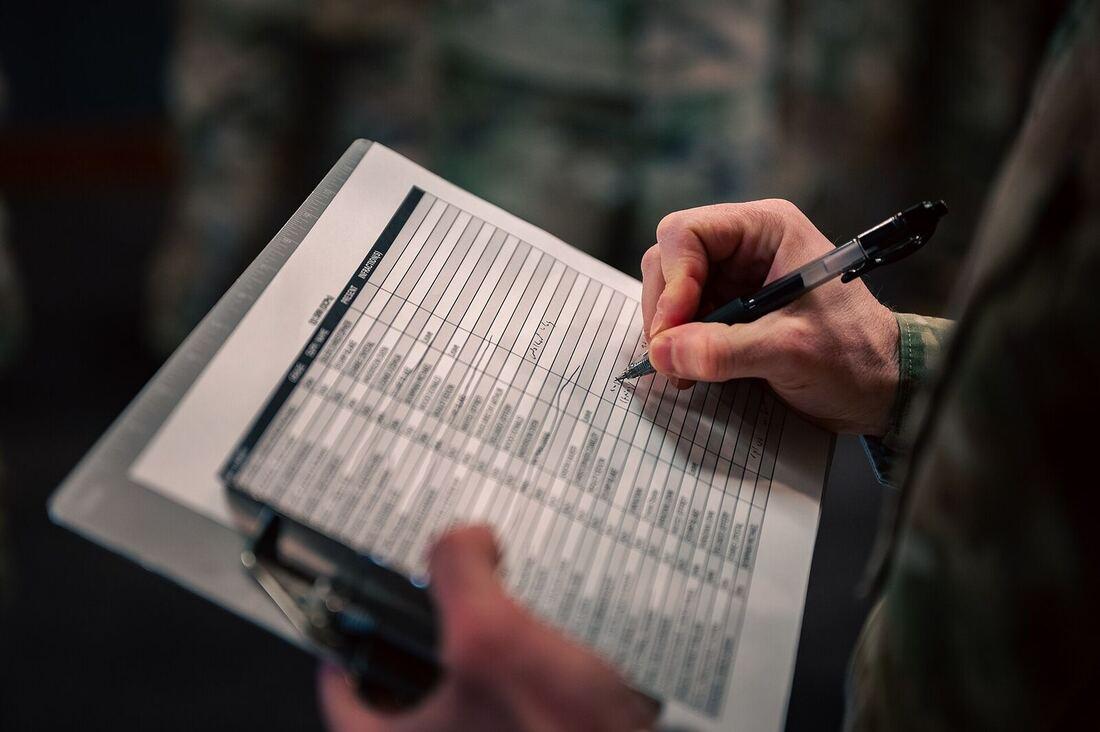
Compliance proves you did what a rule asked. Security is whether the attack fails. Where the two part ways, what non-compliance costs, how to monitor it, and the privacy terms Security+ expects you to know.
7 min read

You cannot fix every risk, so you need a way to choose. The two numbers behind every risk, the Security+ formulas with a worked example, and the four things you can do about it.
6 min read

The handful of ideas the rest of security hangs on: what you protect, who is asking, how far you are from where you should be, why zero trust stops trusting the network, and why fences and fake files still matter.
7 min read
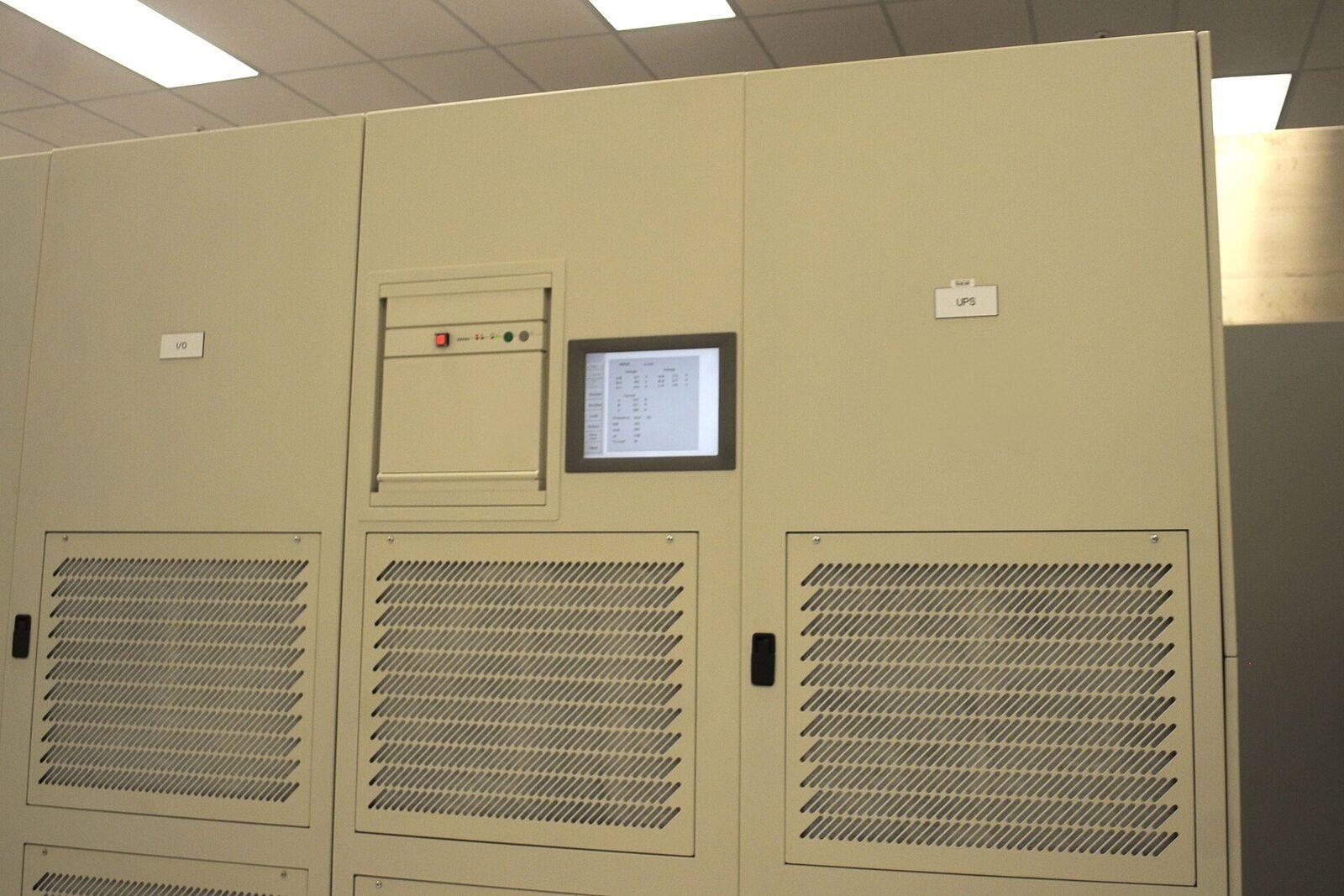
Something will fail: a disk, the power, a whole building. How high availability, recovery sites, testing, backups and power keep you running, and what the Security+ exam asks about each.
7 min read

A scanner will hand you hundreds of findings. How to find weaknesses, decide which ones matter, choose a response, prove the fix worked and report on it, as the Security+ exam tests it.
7 min read

An attack needs a way in, and the list of ways is shorter than it looks. The common threat vectors sorted into three piles, the warning signs for each, and the one habit that defeats most social engineering.
7 min read
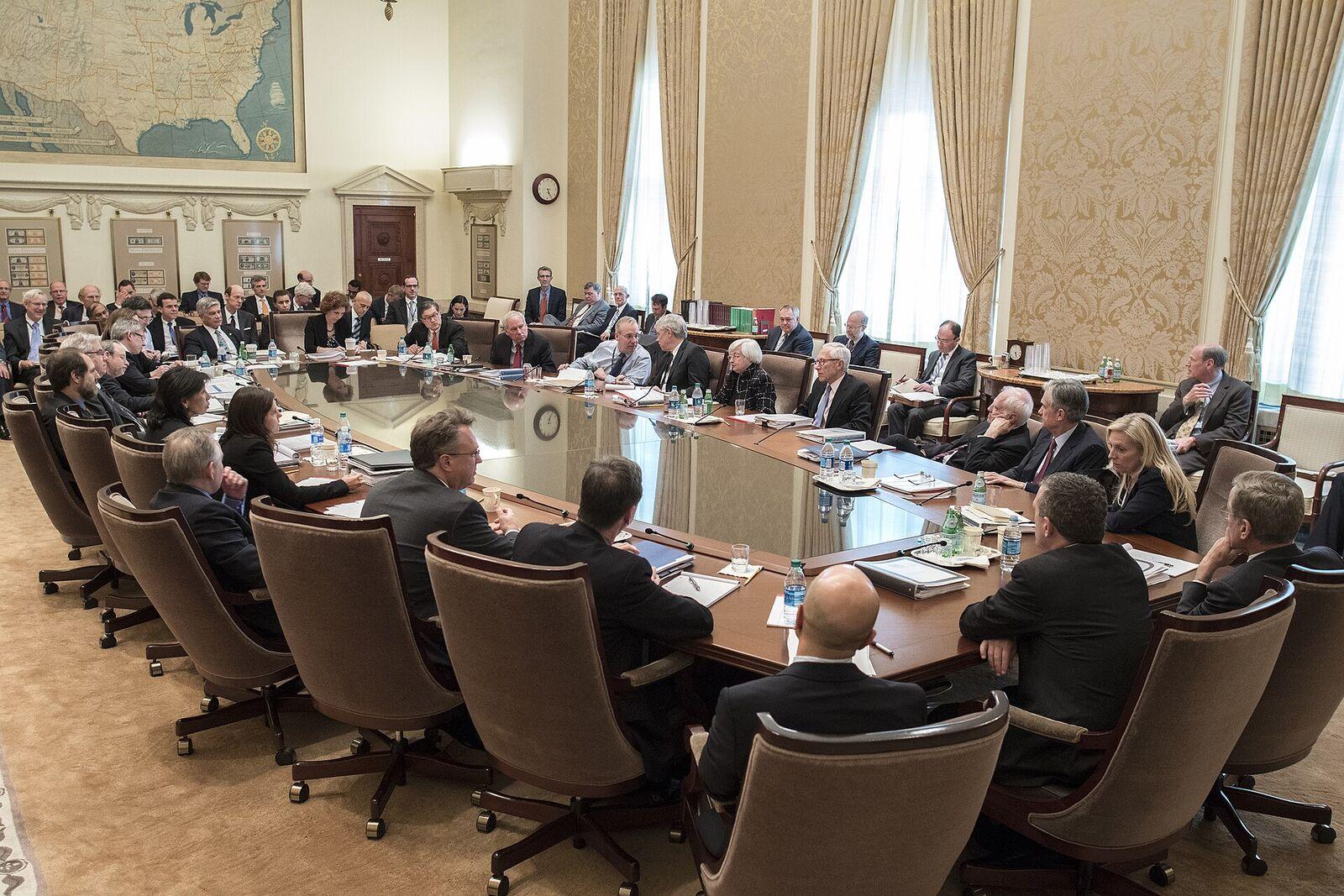
Governance is how an organization decides who is allowed to decide. The four kinds of security document, the outside rules that shape them, and the roles that answer for systems and data.
7 min read

You can outsource the work, but you cannot outsource the risk. How to choose a vendor, what evidence to ask for, the seven agreements Security+ expects you to tell apart, and what to watch after you sign.
7 min read

An audit asks whether you did what you said. A penetration test asks whether it worked. The internal and external reviews, the four kinds of pen test, and how much a tester knows before starting.
7 min read

You cannot protect data you have never sorted. The data types and labels on the Security+ exam, the three states data moves through, and the eight methods that keep it safe.
7 min read
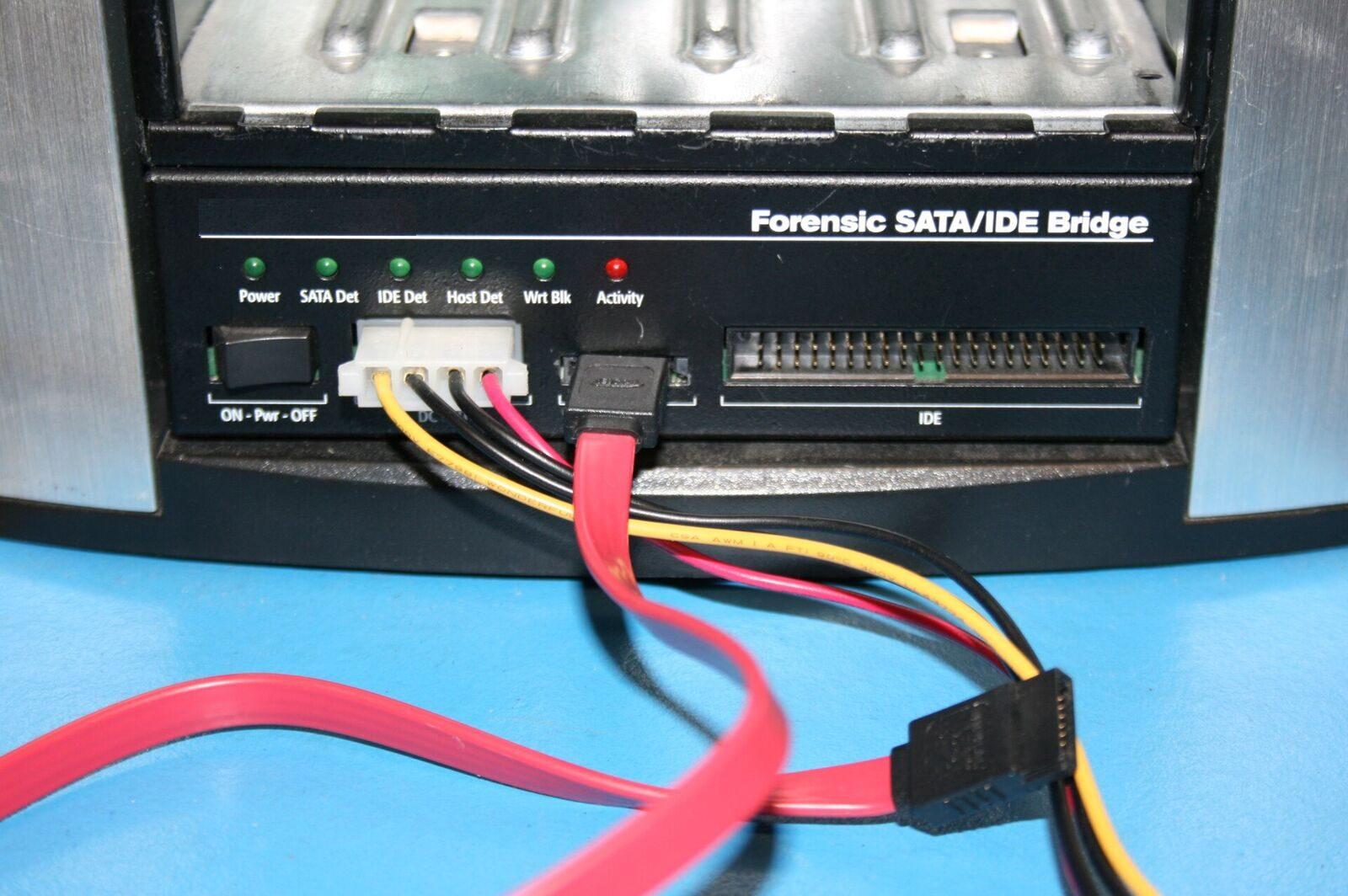
When something goes wrong, the order you act in matters as much as what you do. The seven steps of incident response, a worked first hour, practice, root cause, threat hunting and the forensics terms on the Security+ exam.
7 min read

Secure systems often become insecure at the moment somebody changes them. What goes on a change request, a worked Saturday night patch, the technical things a change bumps into, and why the paperwork is part of the fix.
7 min read

Most breaches involve a person, so training matters. Phishing campaigns, spotting odd behavior, what to teach, and how to build a program that people report to instead of hiding from.
7 min read
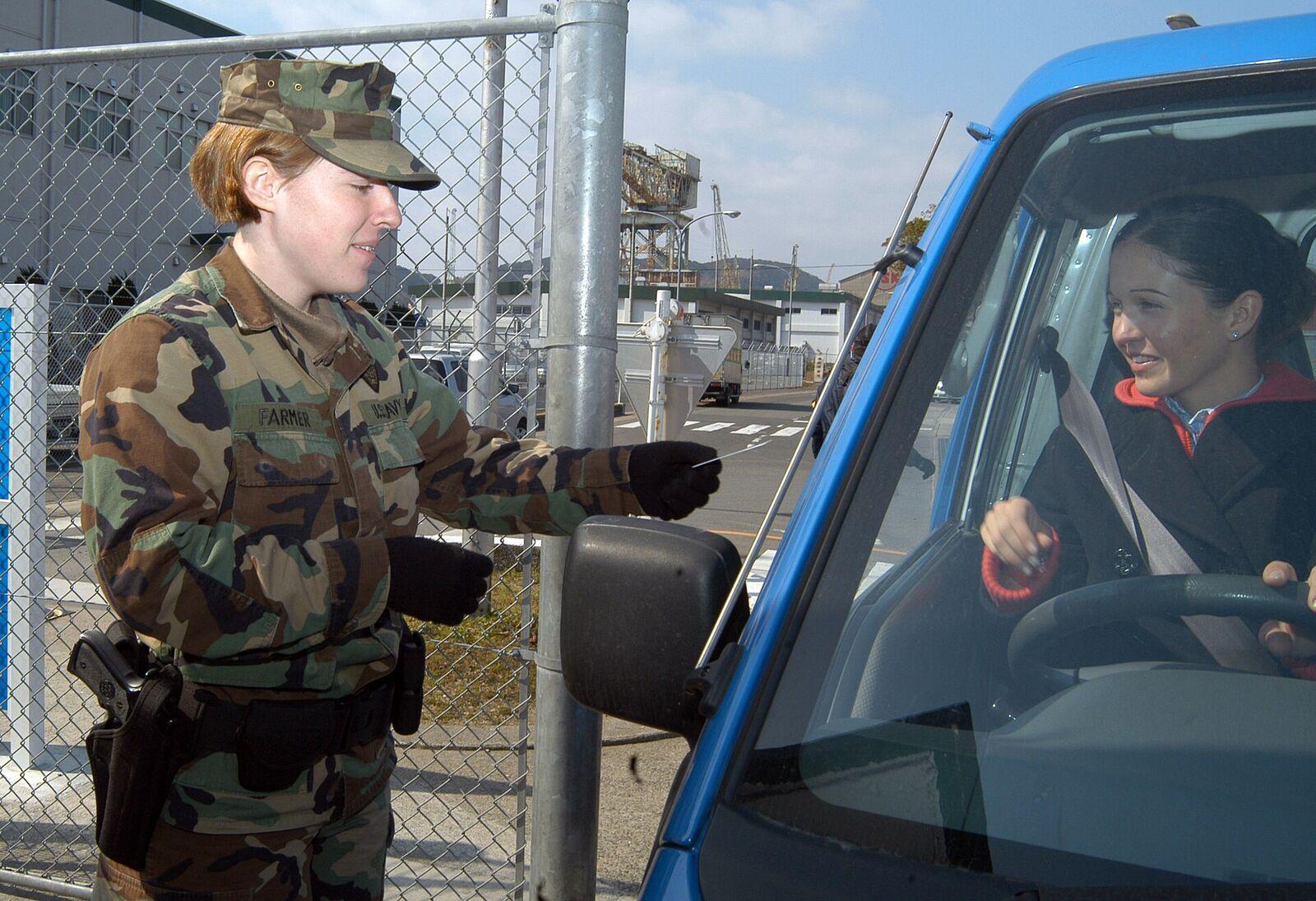
Every security control has two labels: a category that says how it is carried out, and a type that says what job it does. The four categories, the six types, and a grid of everyday examples that shows where your gaps are.
7 min read

The standard mitigation techniques and what each one is for: keeping things apart, deciding who gets in, running only what you approved, patching, encrypting, watching, hardening every machine and retiring old ones properly.
7 min read

Every login asks who you are and what you may do. The account life cycle, single sign-on, the access control models, multifactor authentication, passwords and privileged access, as the Security+ exam tests them.
7 min read
Compliance proves you did what a rule asked. Security is whether the attack fails. Where the two part ways, what non-compliance costs, how to monitor it, and the privacy terms Security+ expects you to know.
7 min read
You cannot fix every risk, so you need a way to choose. The two numbers behind every risk, the Security+ formulas with a worked example, and the four things you can do about it.
6 min read
The handful of ideas the rest of security hangs on: what you protect, who is asking, how far you are from where you should be, why zero trust stops trusting the network, and why fences and fake files still matter.
7 min read
Something will fail: a disk, the power, a whole building. How high availability, recovery sites, testing, backups and power keep you running, and what the Security+ exam asks about each.
7 min read
A scanner will hand you hundreds of findings. How to find weaknesses, decide which ones matter, choose a response, prove the fix worked and report on it, as the Security+ exam tests it.
7 min read
An attack needs a way in, and the list of ways is shorter than it looks. The common threat vectors sorted into three piles, the warning signs for each, and the one habit that defeats most social engineering.
7 min read
Governance is how an organization decides who is allowed to decide. The four kinds of security document, the outside rules that shape them, and the roles that answer for systems and data.
7 min read
You can outsource the work, but you cannot outsource the risk. How to choose a vendor, what evidence to ask for, the seven agreements Security+ expects you to tell apart, and what to watch after you sign.
7 min read
An audit asks whether you did what you said. A penetration test asks whether it worked. The internal and external reviews, the four kinds of pen test, and how much a tester knows before starting.
7 min read
You cannot protect data you have never sorted. The data types and labels on the Security+ exam, the three states data moves through, and the eight methods that keep it safe.
7 min read
When something goes wrong, the order you act in matters as much as what you do. The seven steps of incident response, a worked first hour, practice, root cause, threat hunting and the forensics terms on the Security+ exam.
7 min read
Secure systems often become insecure at the moment somebody changes them. What goes on a change request, a worked Saturday night patch, the technical things a change bumps into, and why the paperwork is part of the fix.
7 min read
Most breaches involve a person, so training matters. Phishing campaigns, spotting odd behavior, what to teach, and how to build a program that people report to instead of hiding from.
7 min read
Every security control has two labels: a category that says how it is carried out, and a type that says what job it does. The four categories, the six types, and a grid of everyday examples that shows where your gaps are.
7 min read
The standard mitigation techniques and what each one is for: keeping things apart, deciding who gets in, running only what you approved, patching, encrypting, watching, hardening every machine and retiring old ones properly.
7 min read
Every login asks who you are and what you may do. The account life cycle, single sign-on, the access control models, multifactor authentication, passwords and privileged access, as the Security+ exam tests them.
7 min read